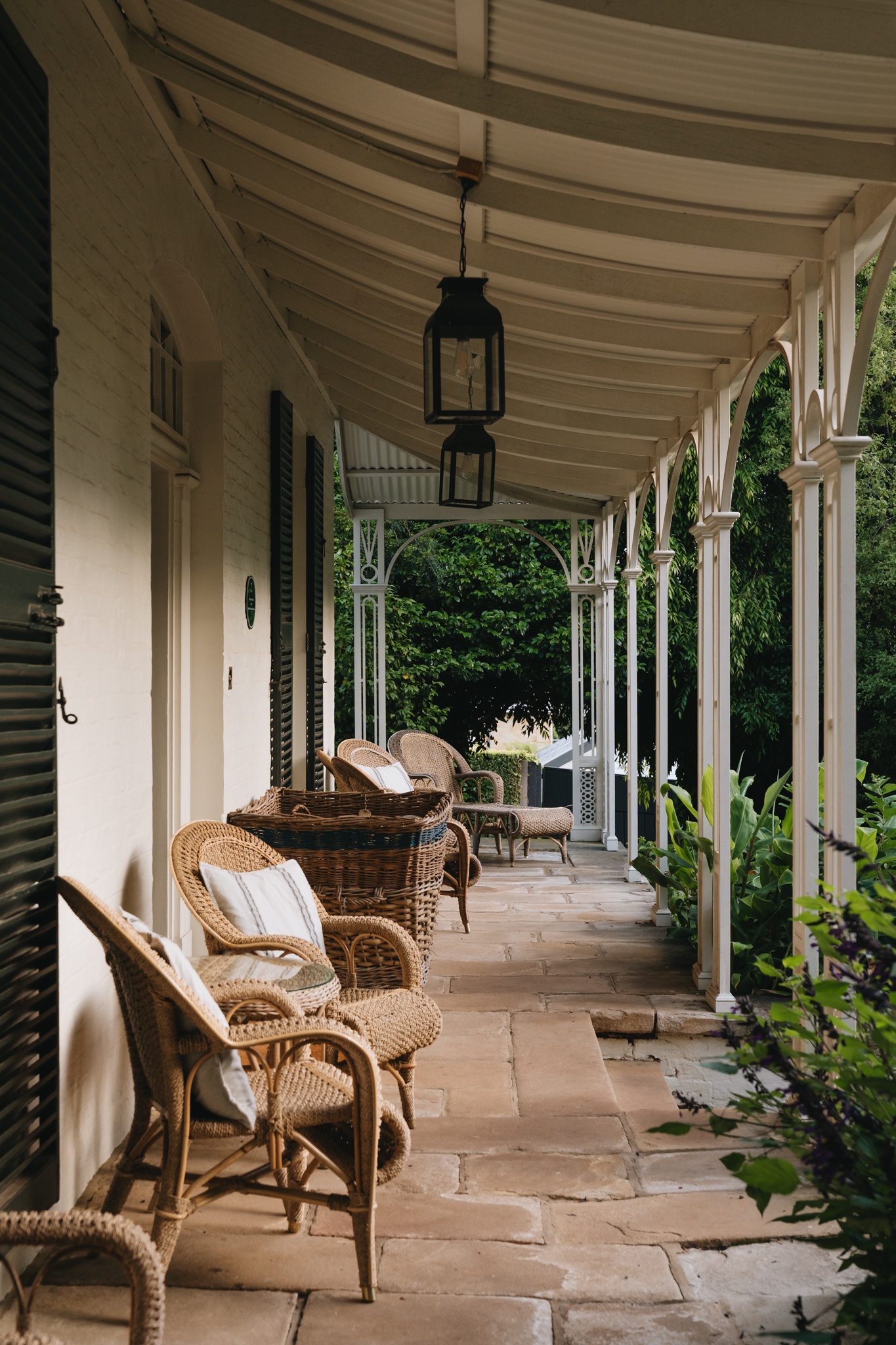
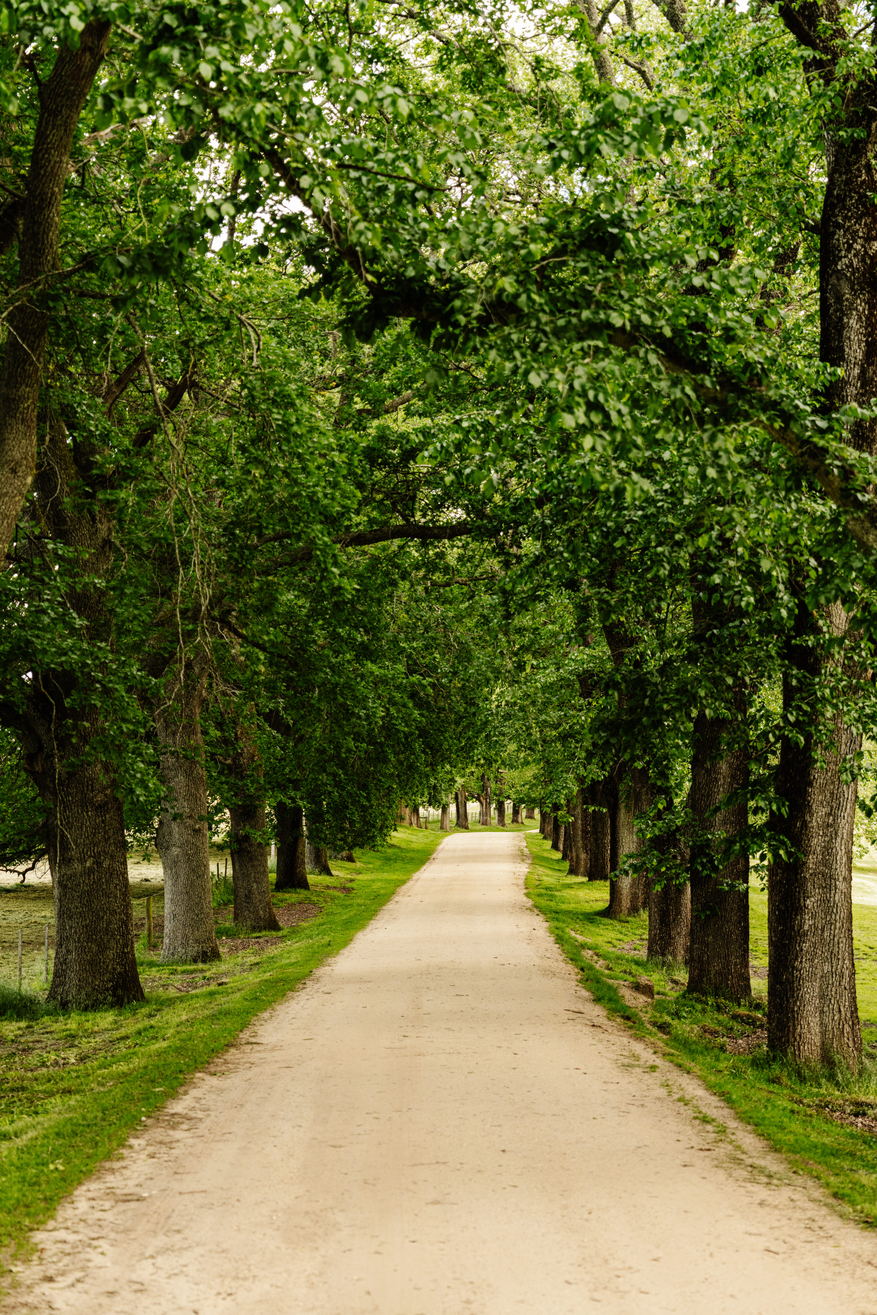
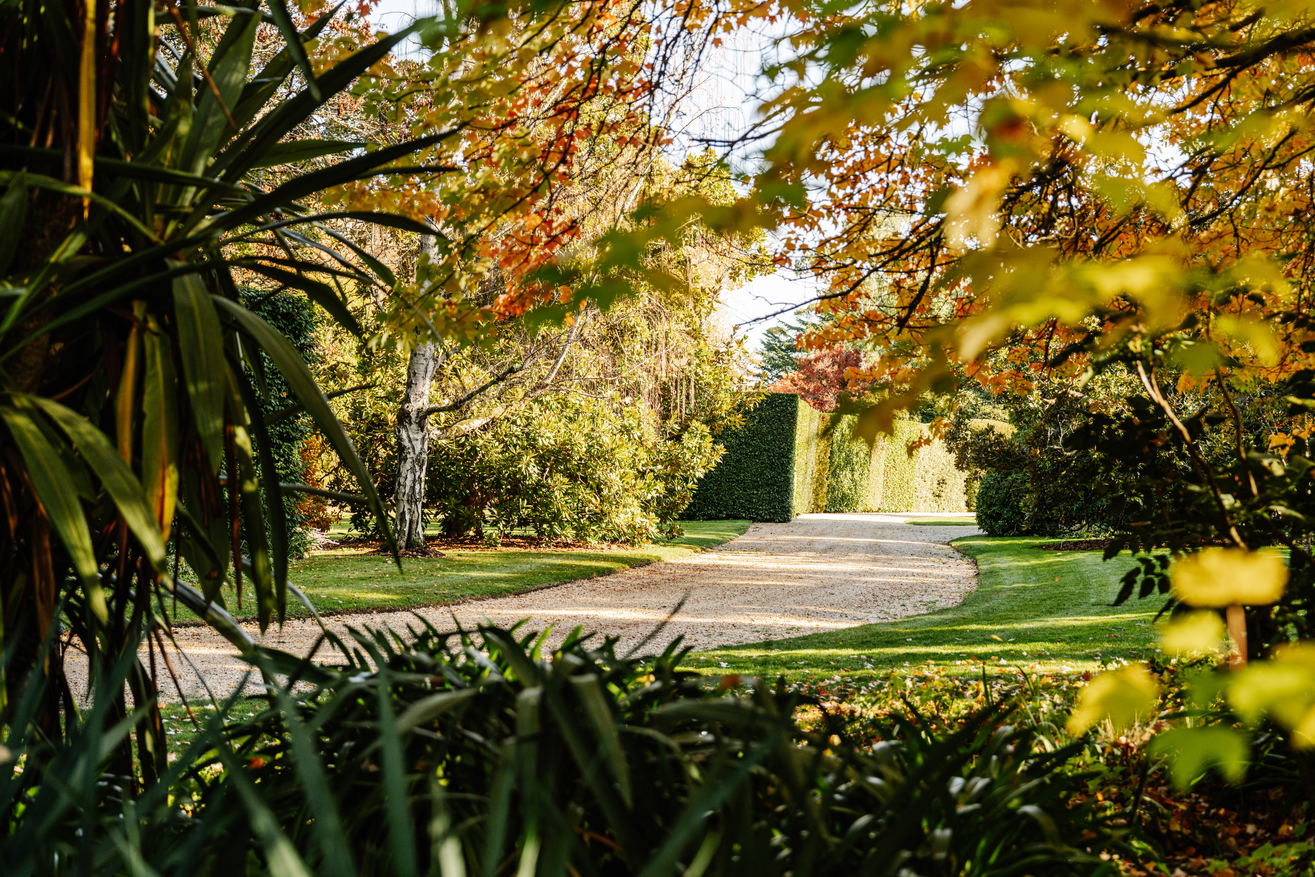
The first breath of Wombat Park is resin. It rises sharp and clear from the Monterey pines, needles sway in the golden hush. To walk the elm driveway, eighty-nine heritage-listed trees, is to enter another century. Green arches above, Spring paddocks beyond. Here the air folds with memory: William Edward Stanbridge’s plantings in the 1850s, Florence Cox’s Arts and Crafts house in 1910, the persistence of rare species whose roots outlive the hands that sow them.
Daylesford, in the Goldfields, was once a town of fevered picks and sudden fortunes; now it is famous for its mineral springs. But Wombat Park has inherited another kind of wealth. On 250 acres, Stanbridge planted a botanic treasury of oaks, elms, beeches, walnuts, Himalayan cedars, an arboretum that would earn the praise of the Daylesford Advocate in 1885 as “superior to any that can be seen in any private or public garden in Victoria.” The paths he edged with quartz still glint in the soil; the box hedges, once carefully clipped, still define their lines.
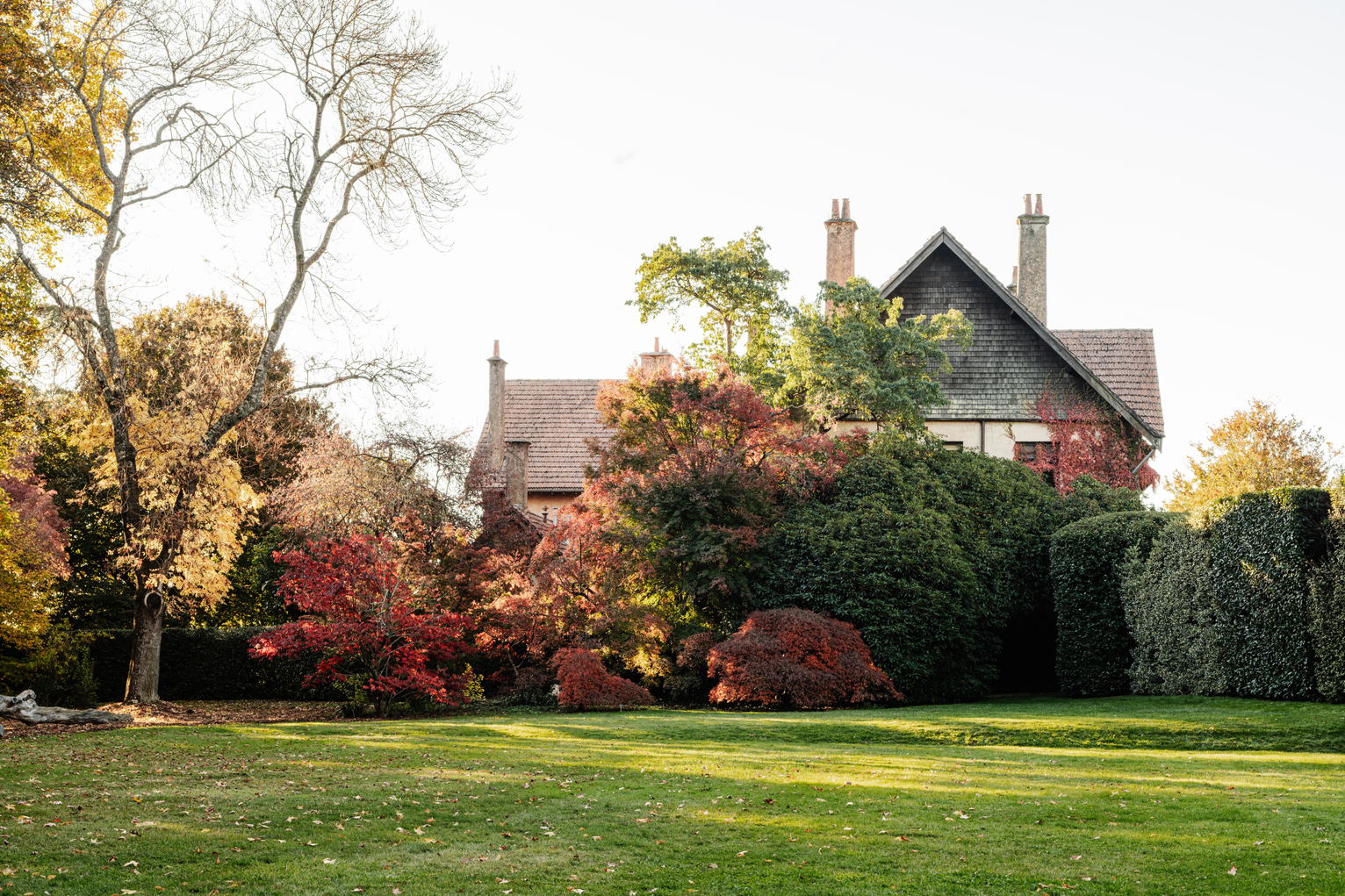
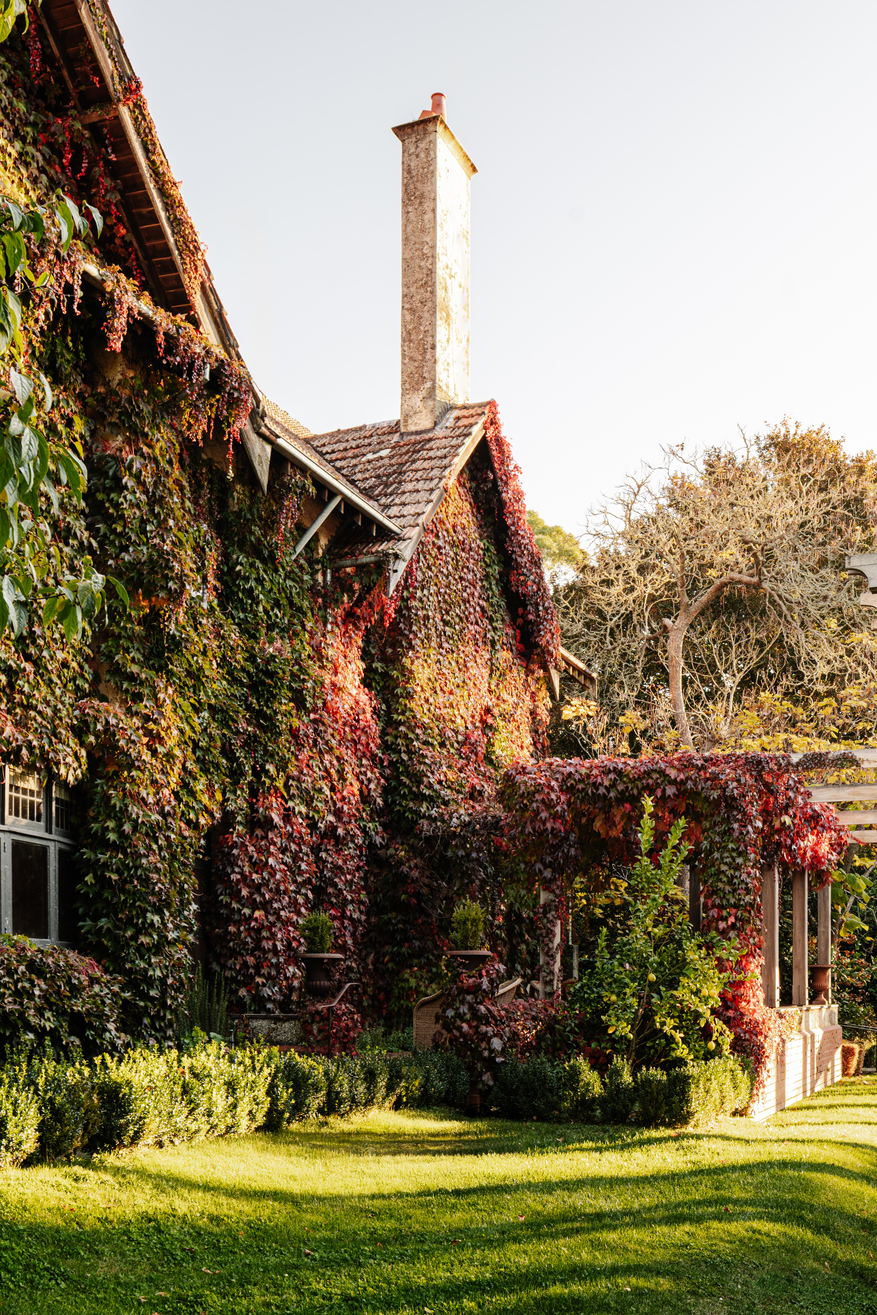
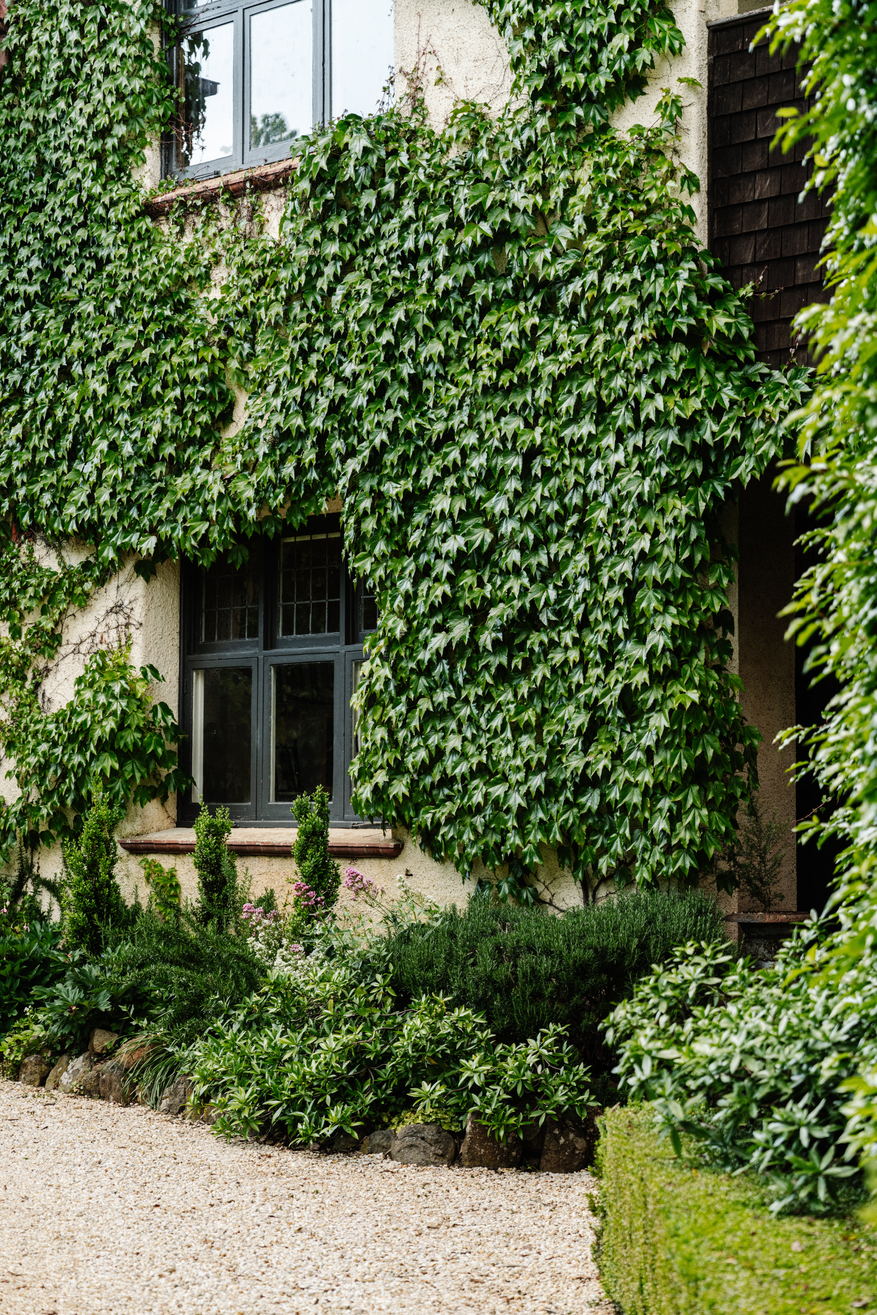
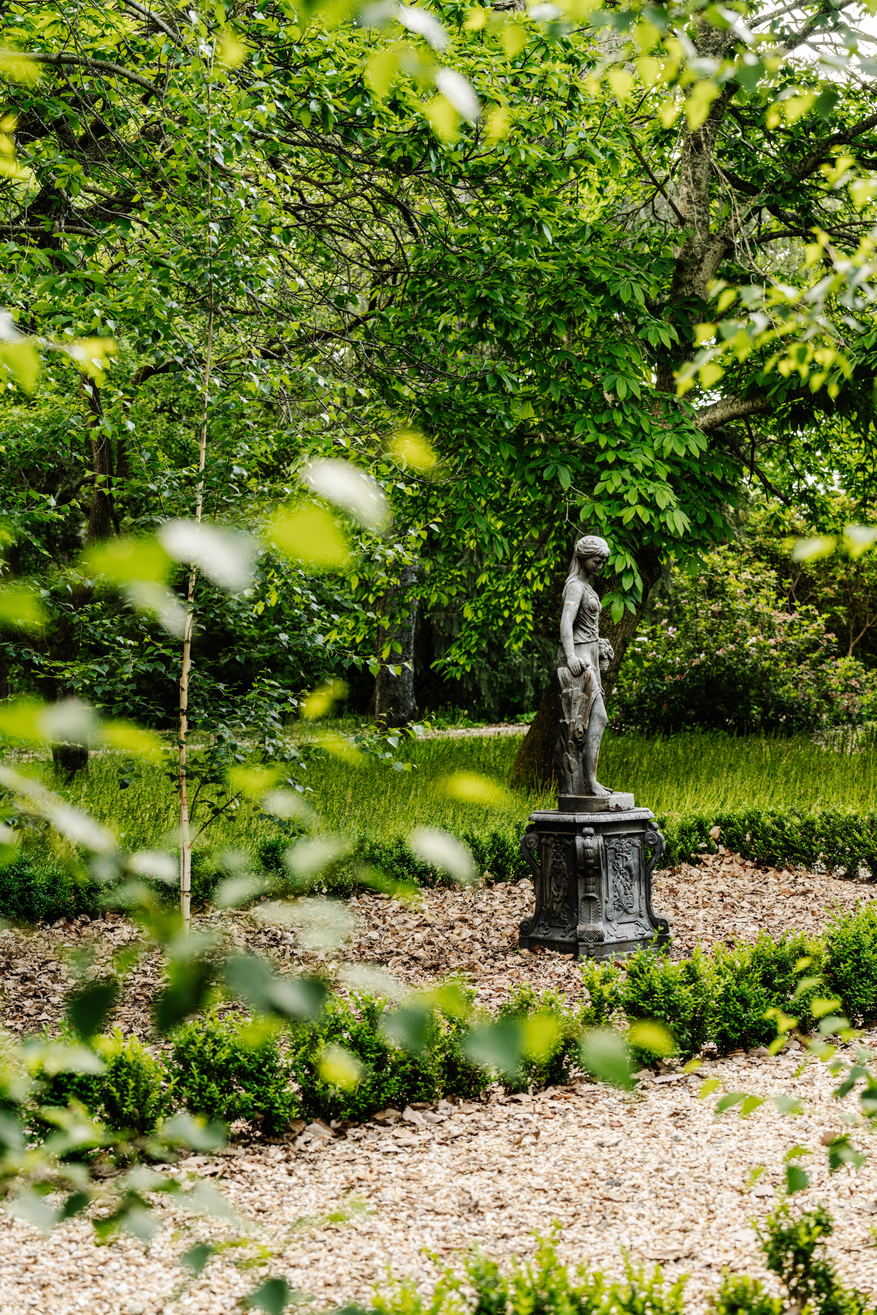
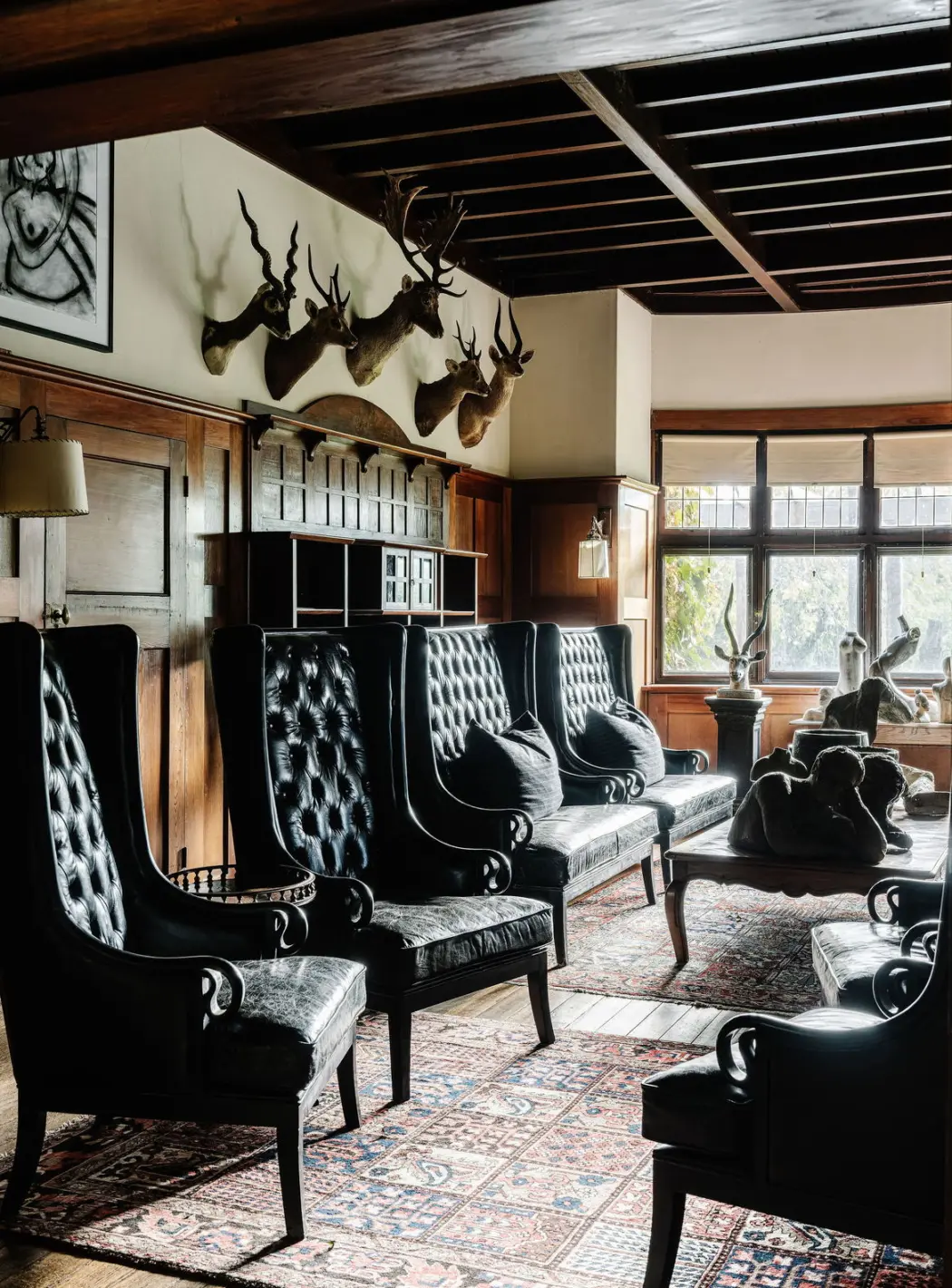
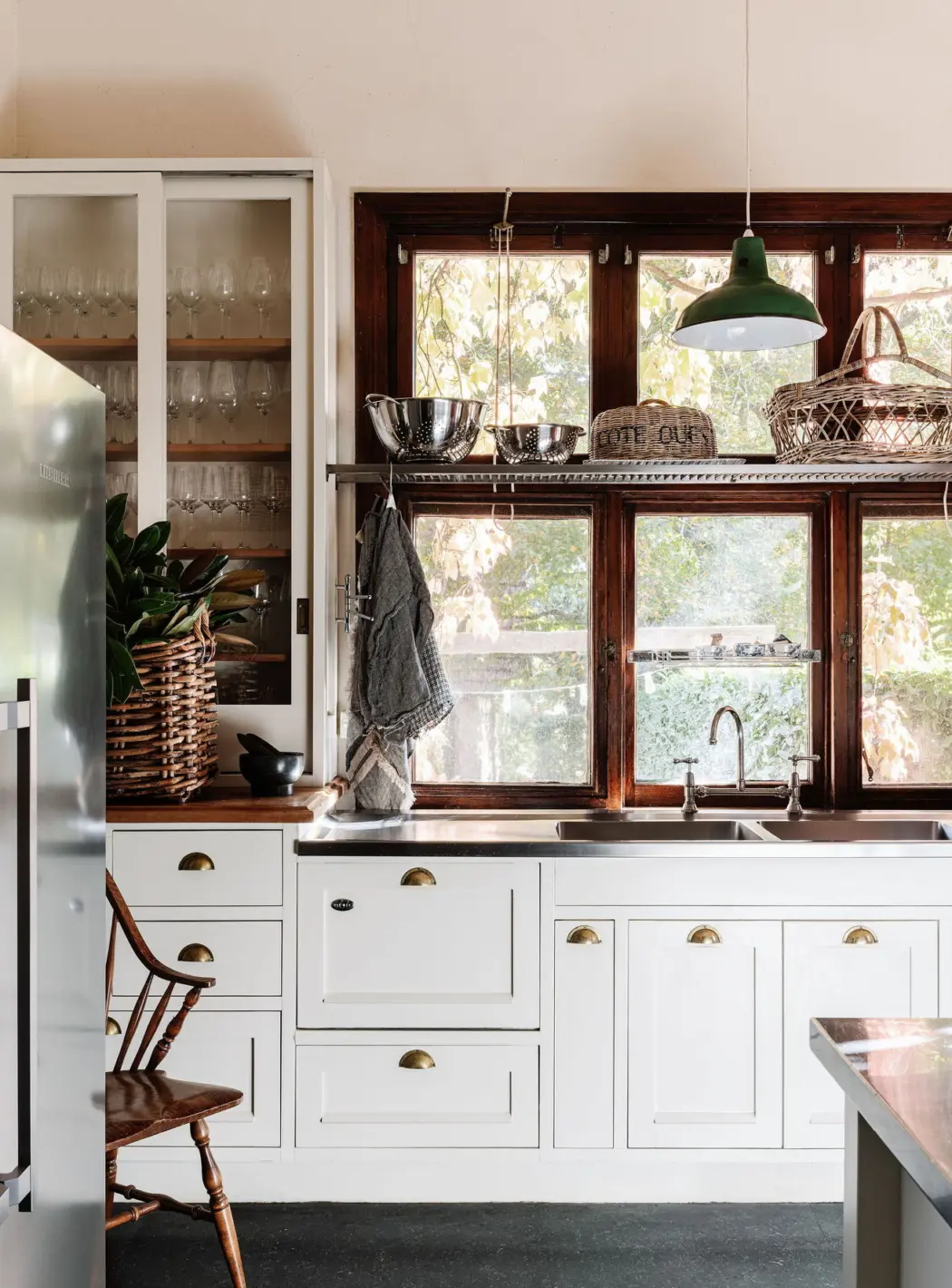
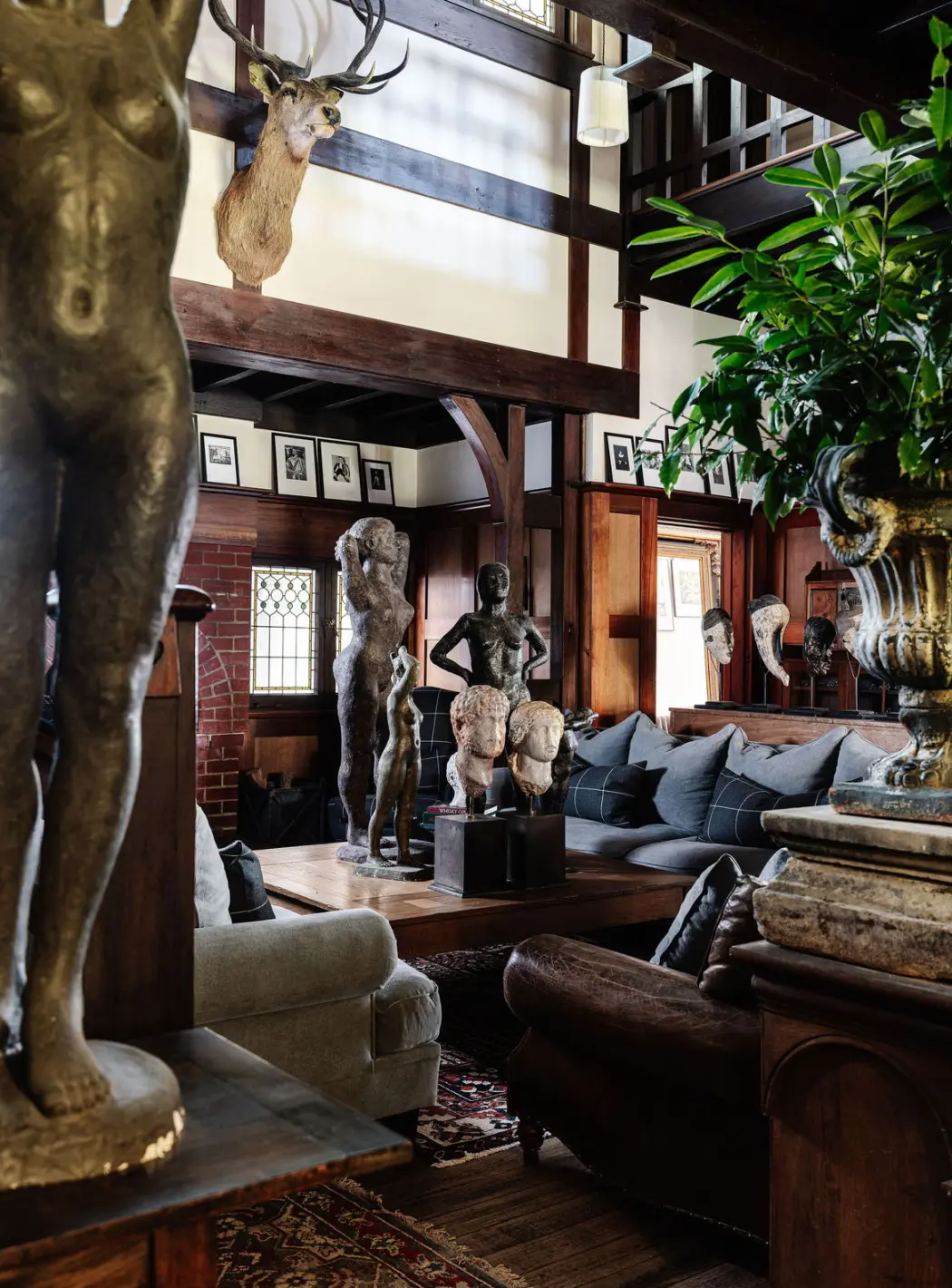
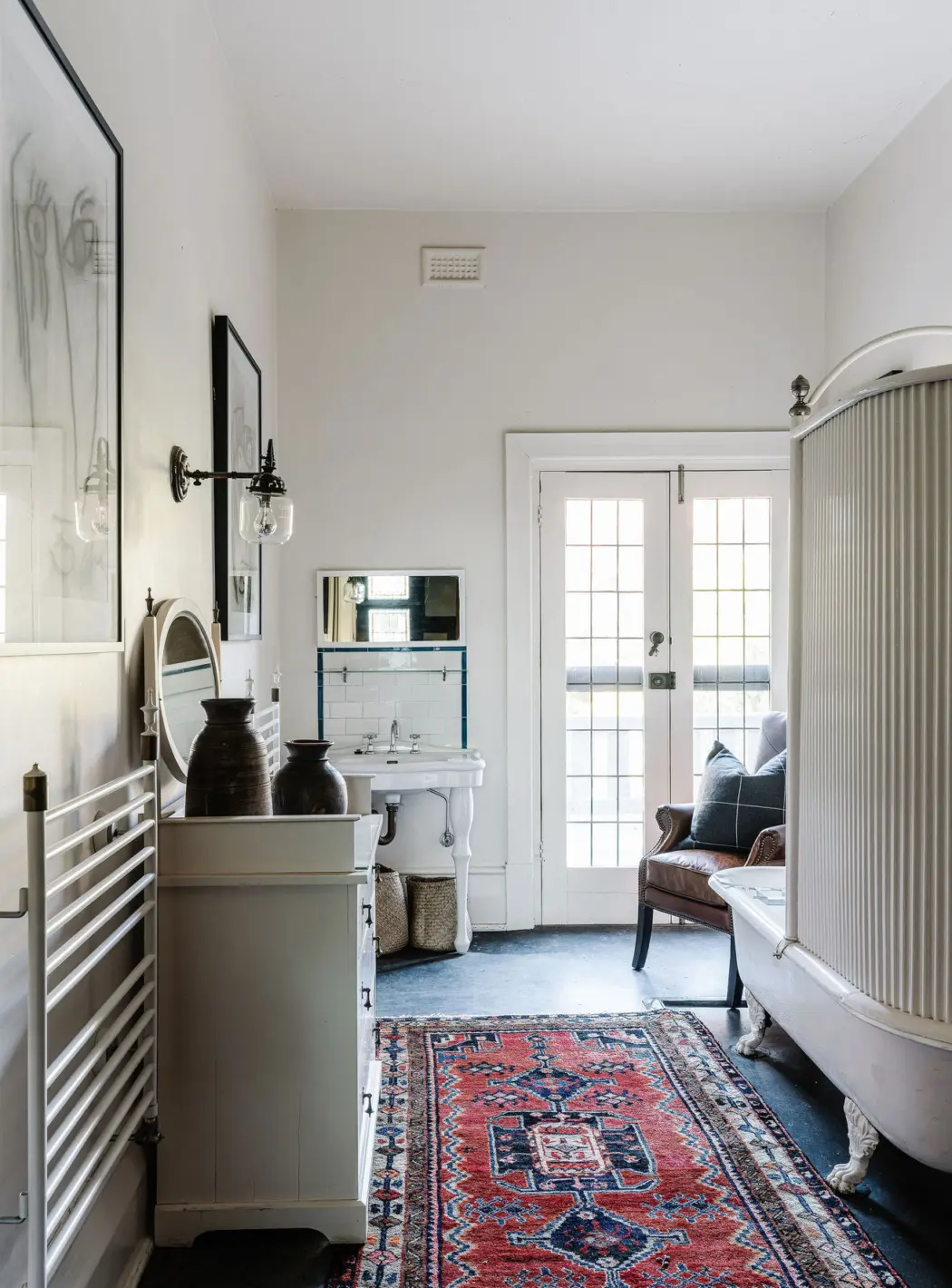
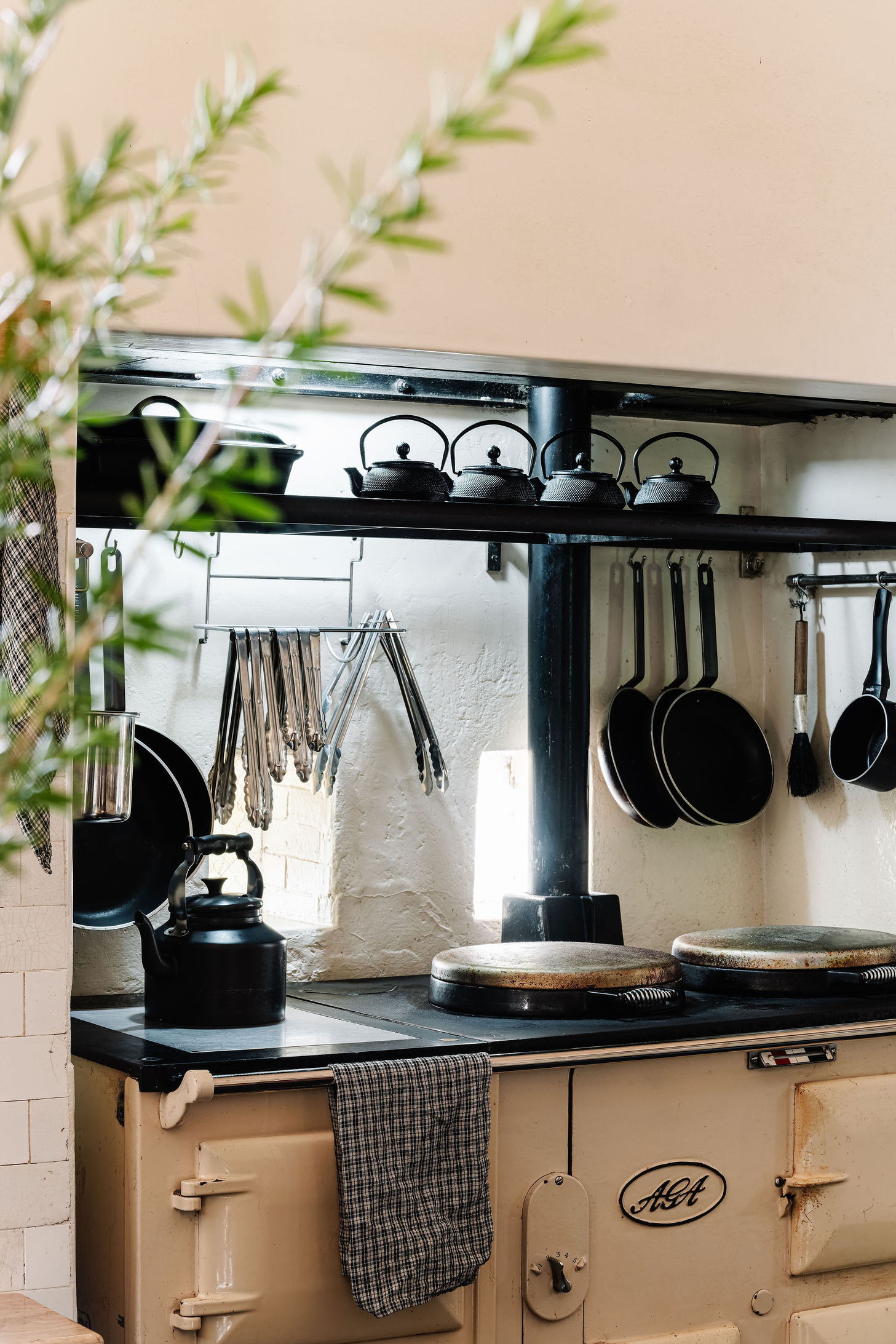
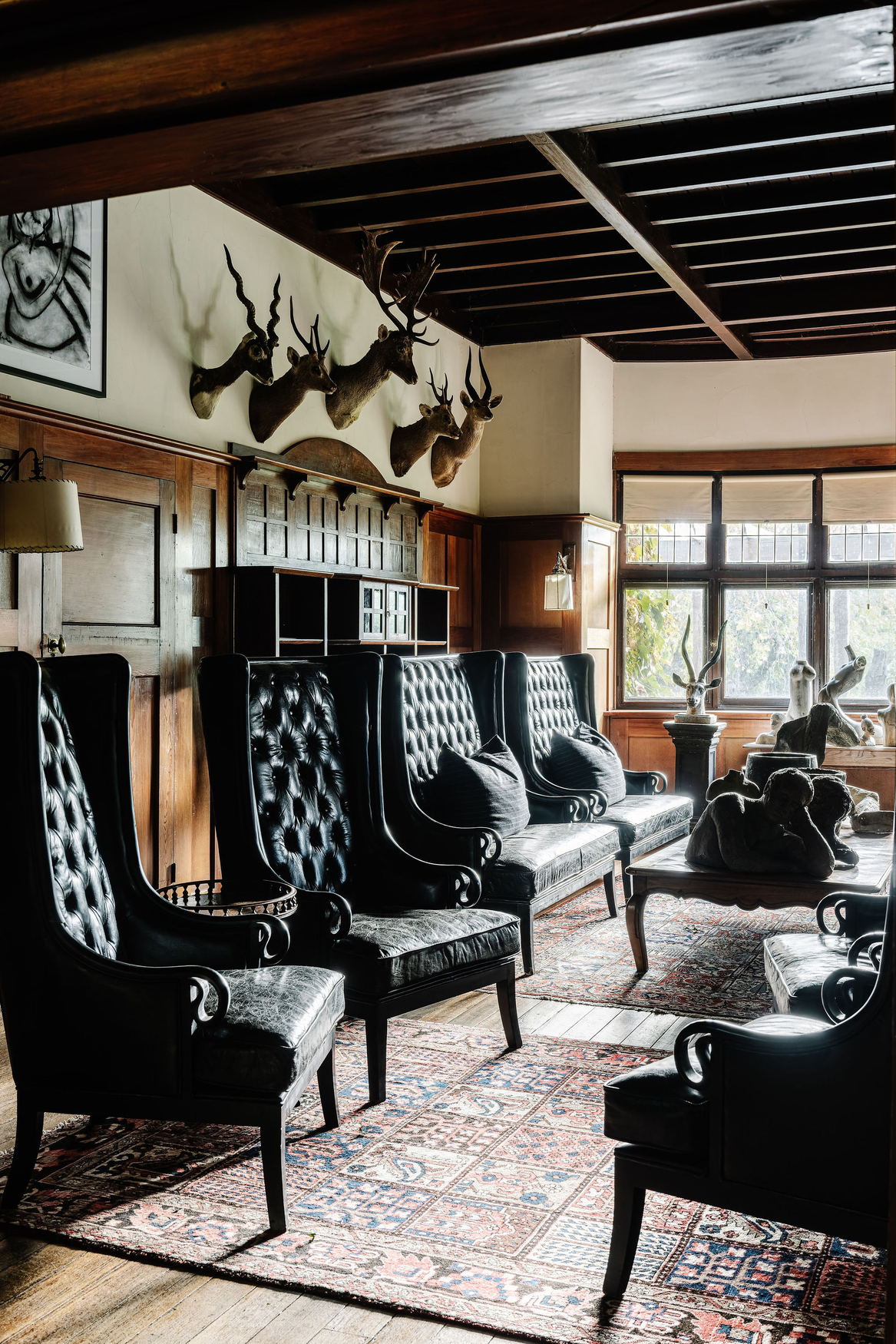
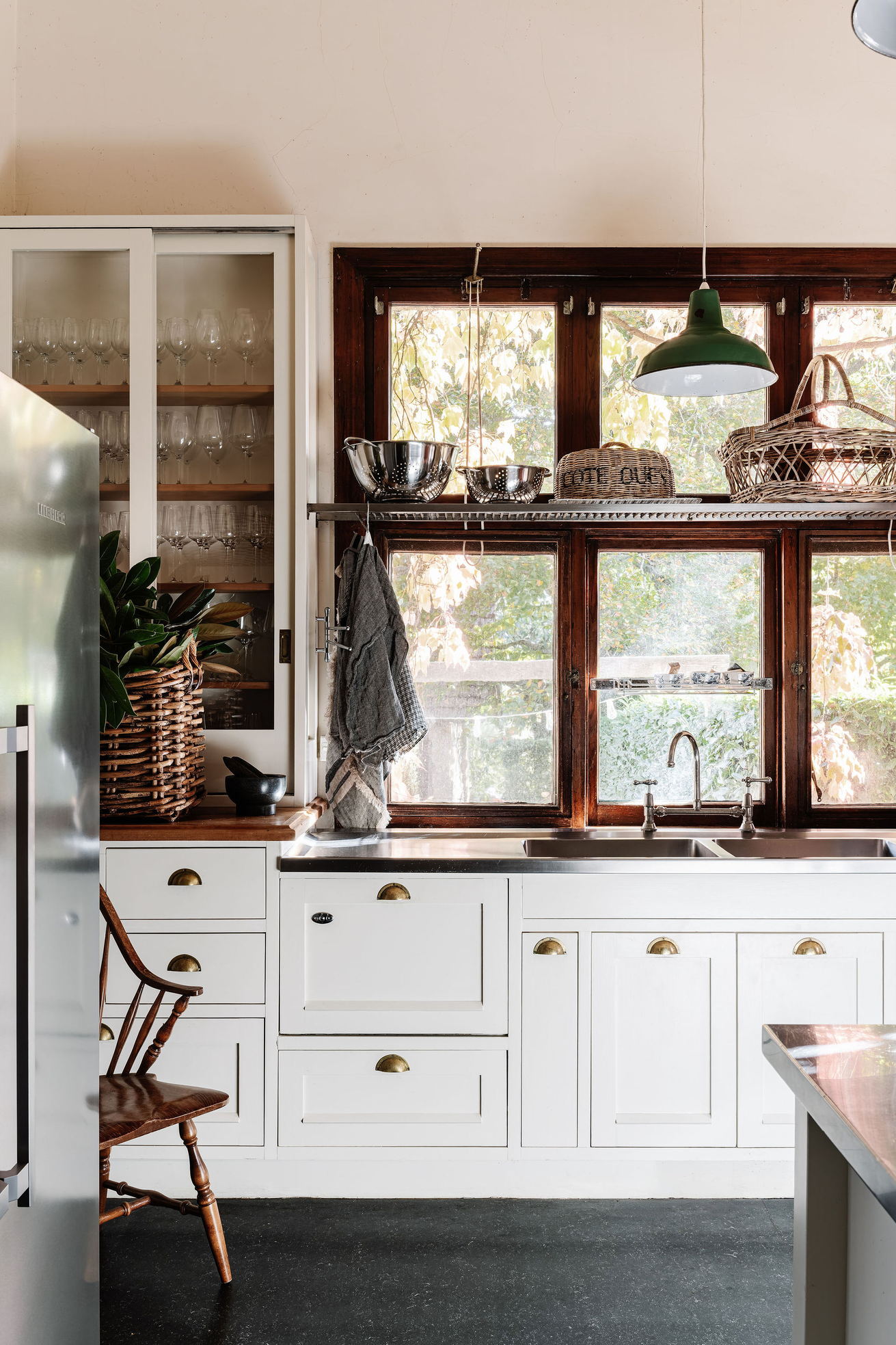
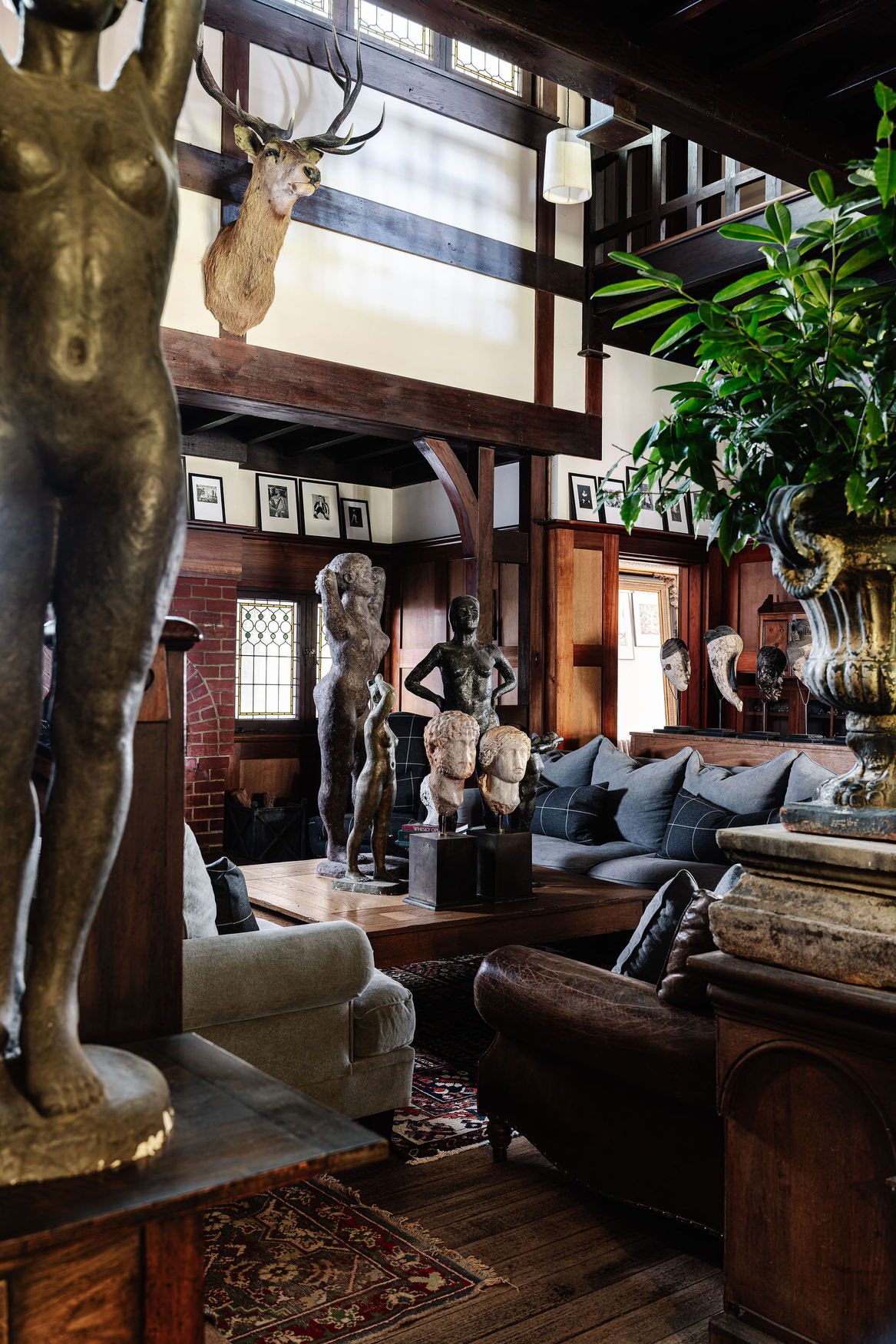
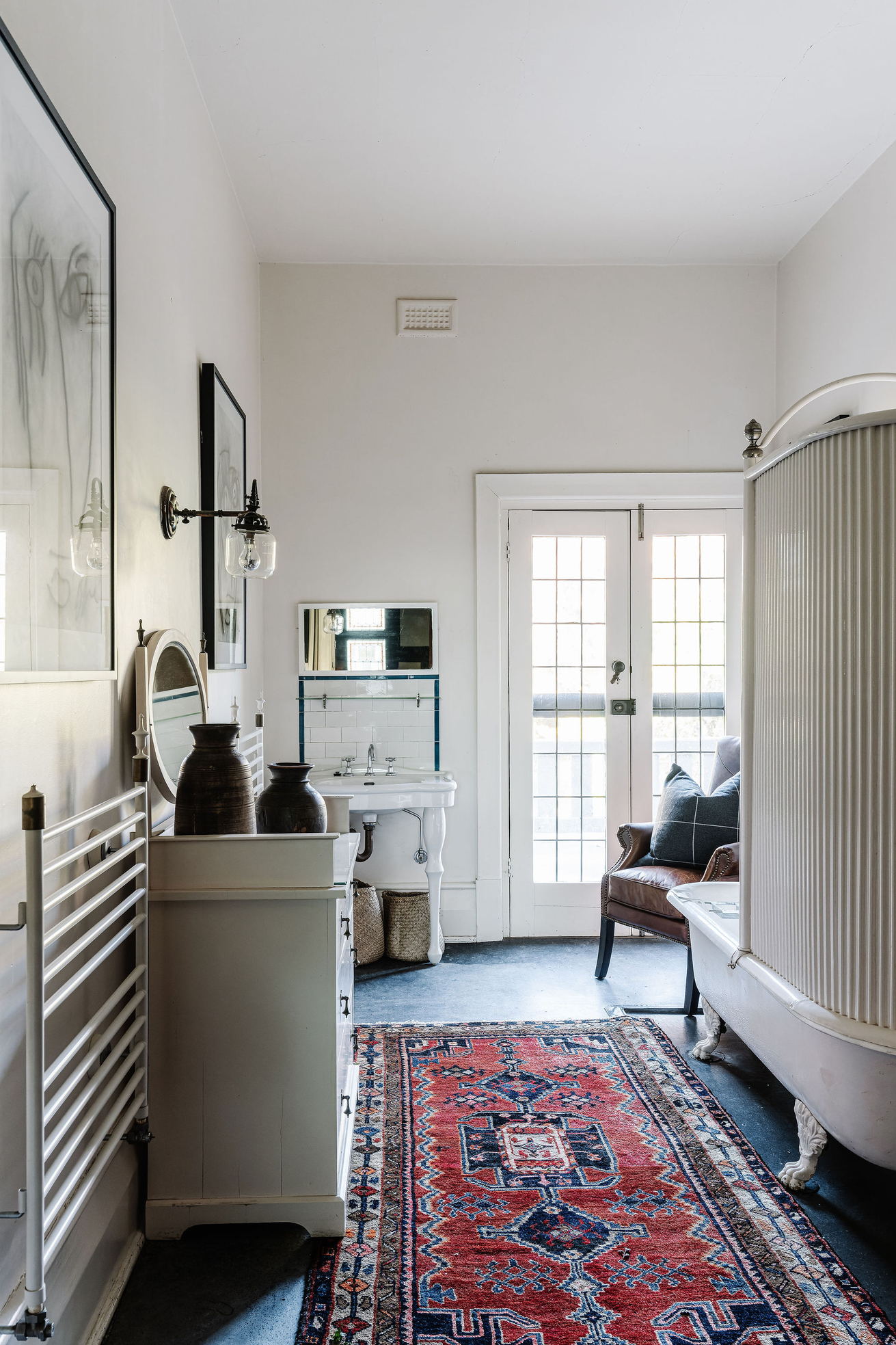
The house, designed in 1910 by Rodney Alsop, an Arts and Crafts masterpiece, stands like punctuation in the landscape. Its timber interiors, wrought fittings, fretwork and light, embody the tactile spirit of the movement. Gardens by Taylor & Sangster framed the dwelling with teardrop lawns, croquet greens, orchards, and borders, a choreography of openness and enclosure.
Wombat Park has known only three families in nearly two centuries; the Stanbridges, the Mackenzies and today, Tony De Marco and Theresa Albioli hold the estate. They open its gates not just as garden, but as memory made tangible, where visitors can share and wander beneath elms, breathe the mingled scent of pine, camellia, resin, and earth, and feel time itself folding like a petal.
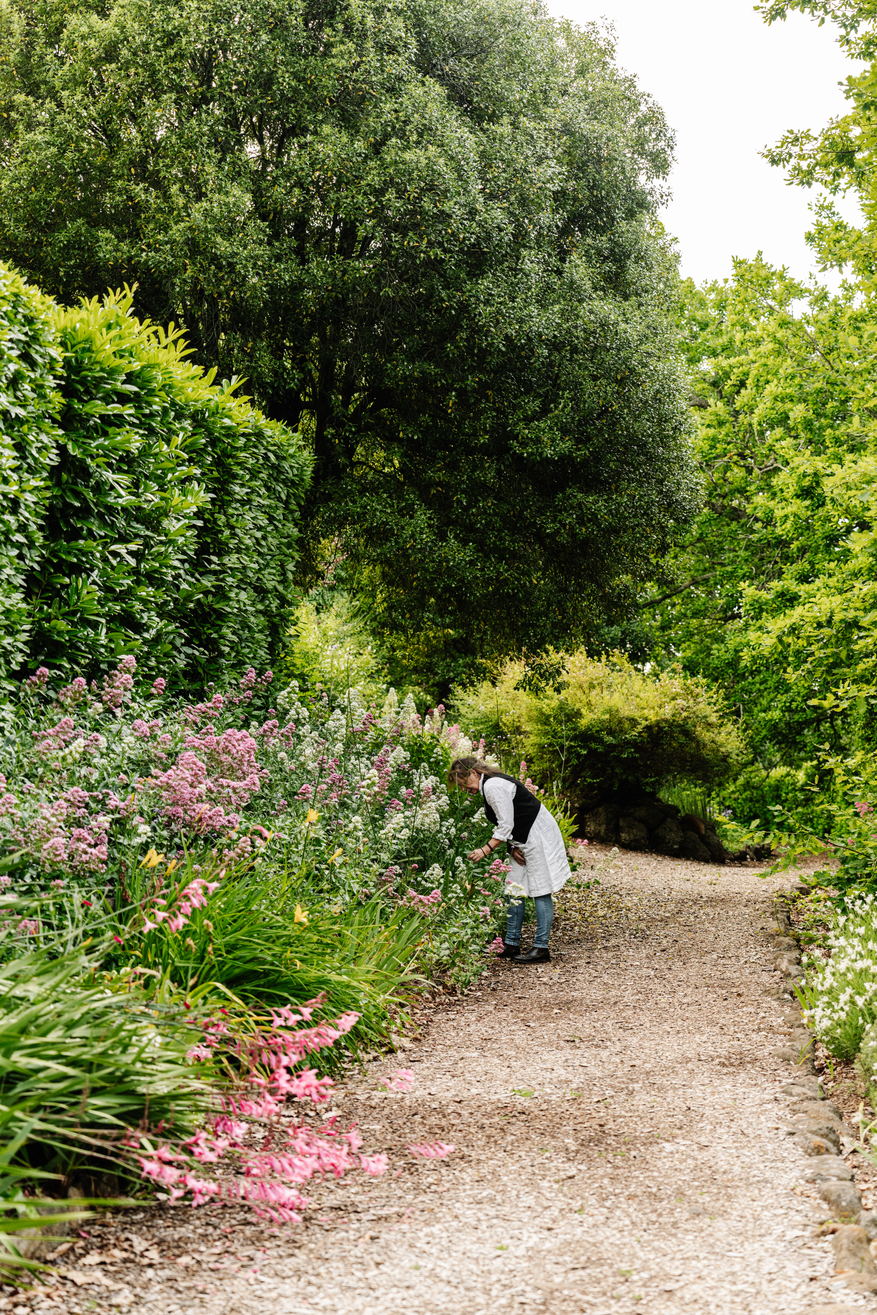
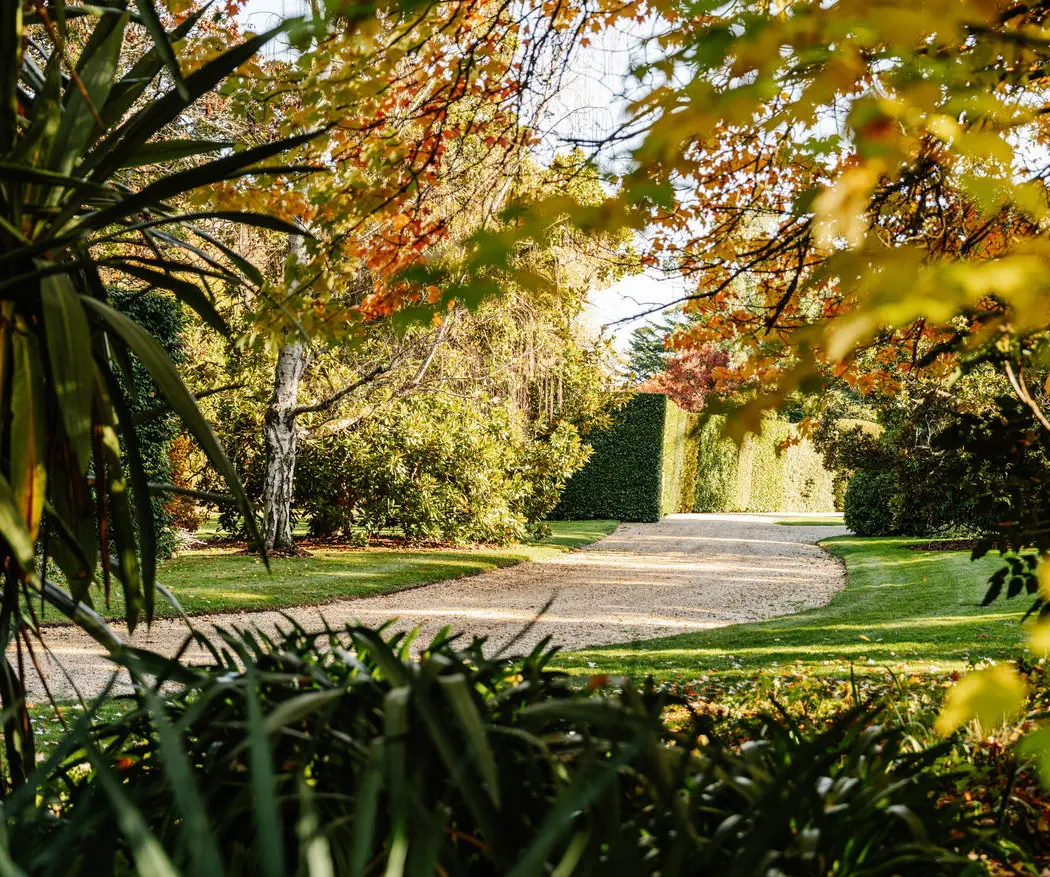
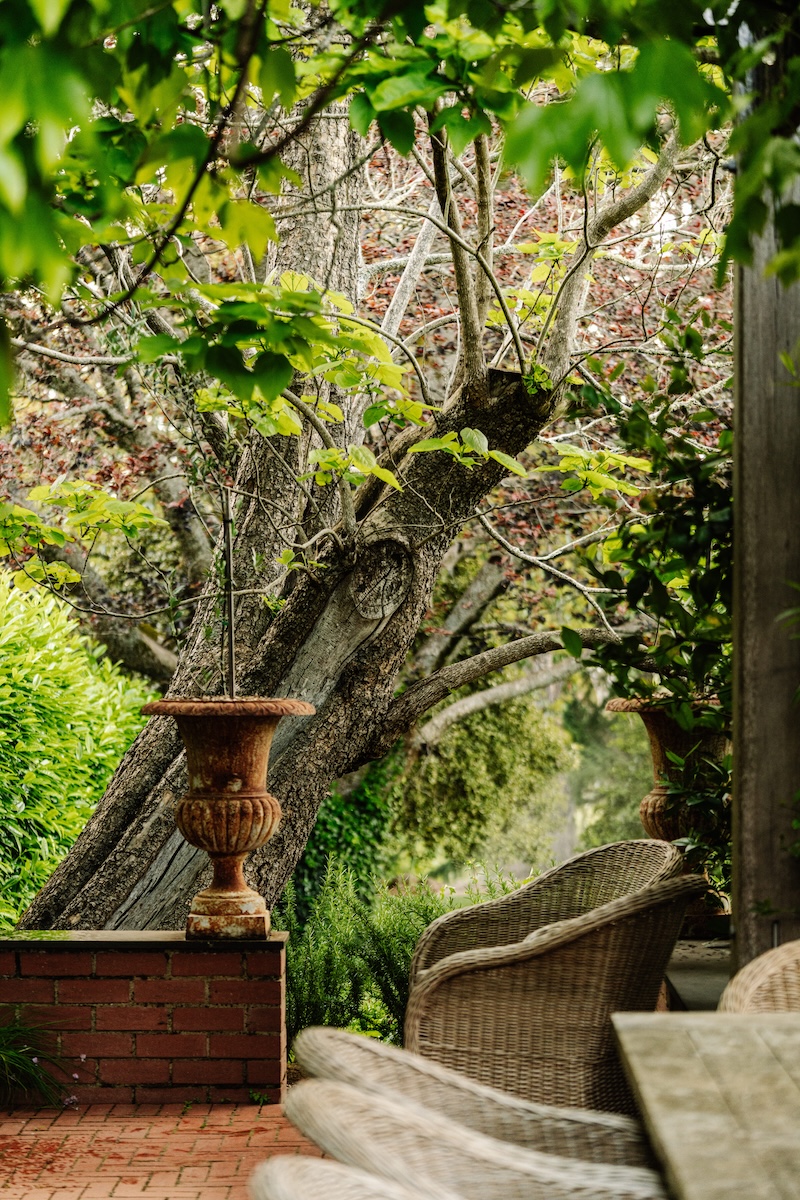
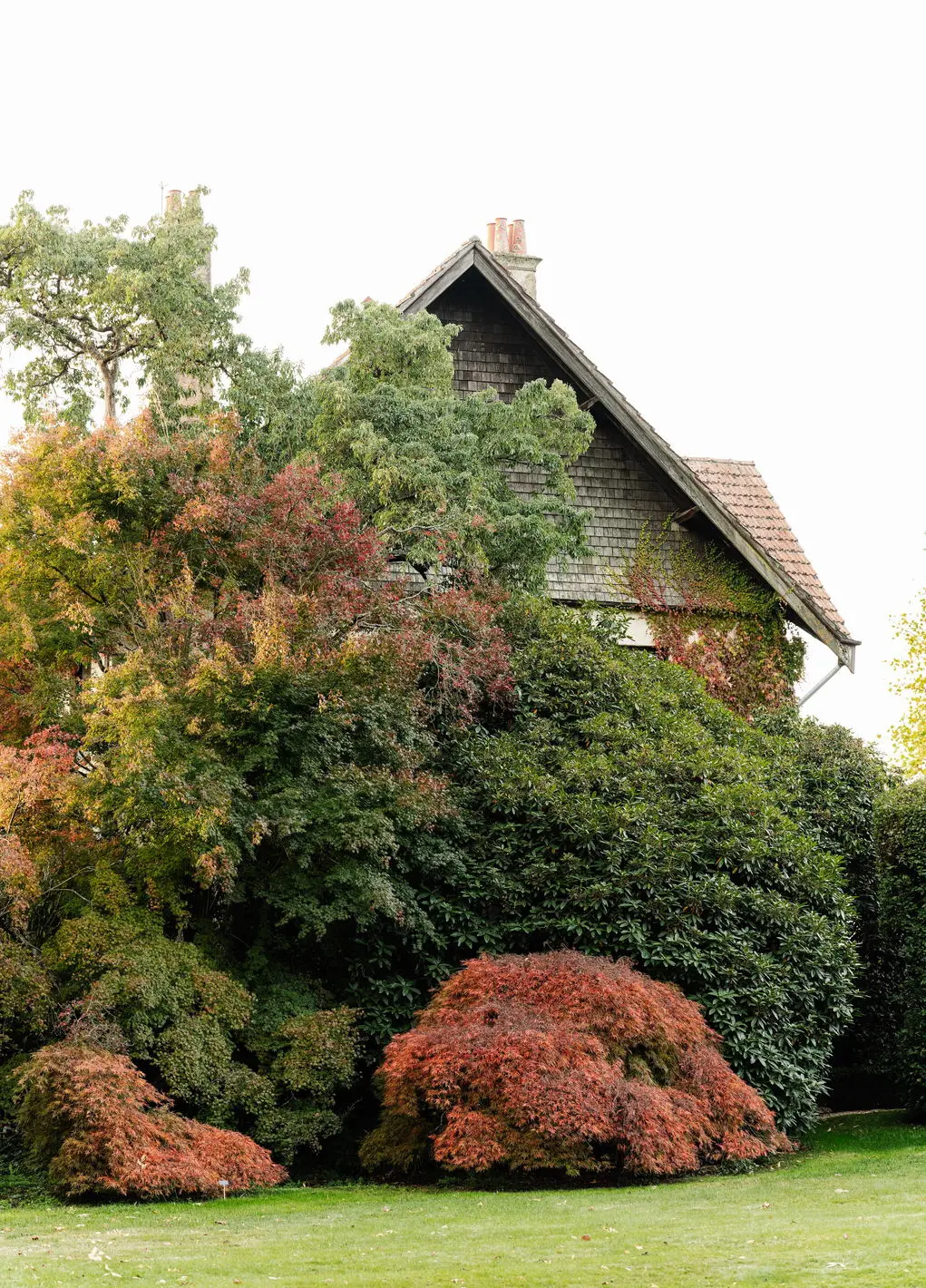
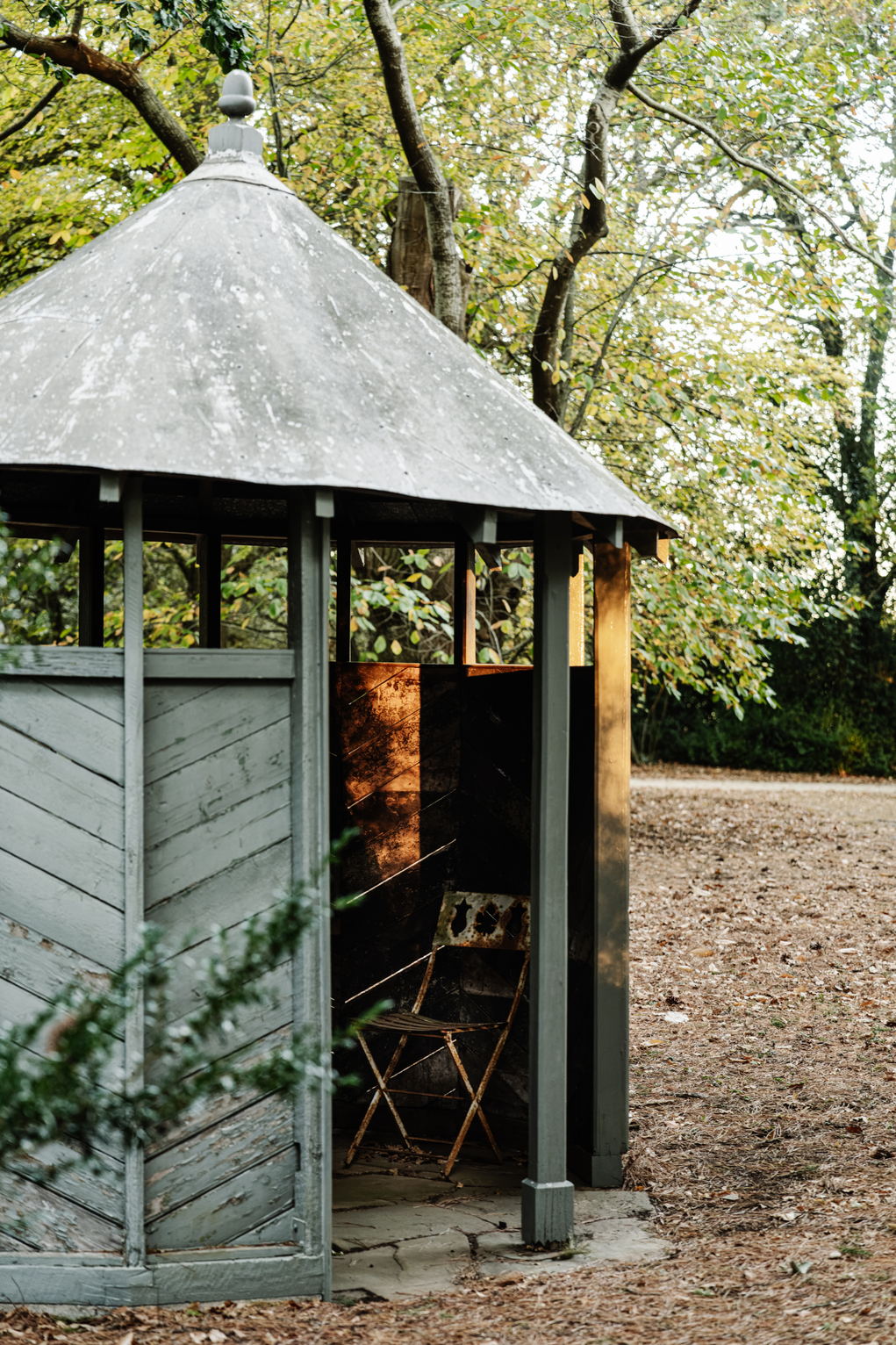
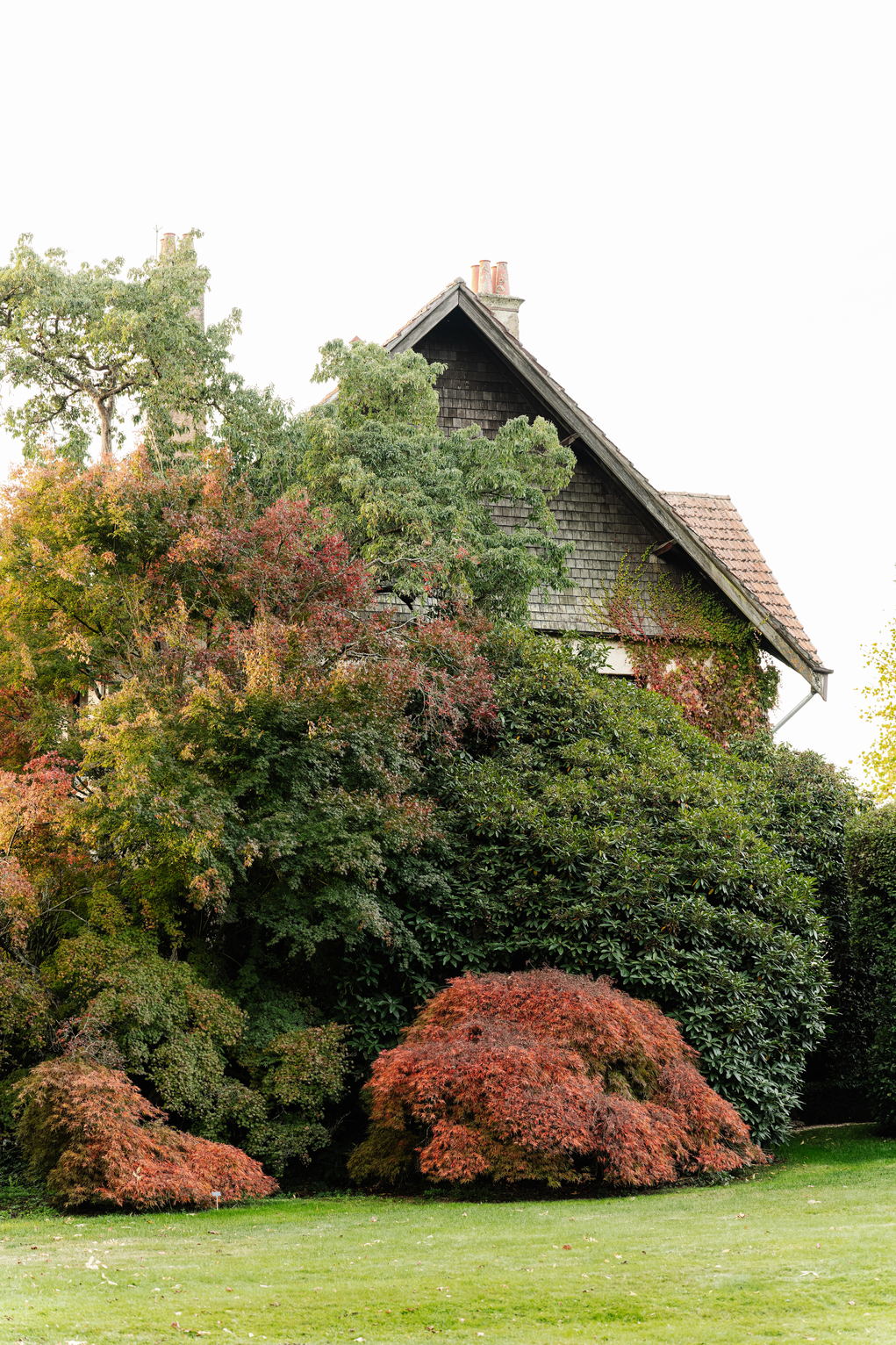
The most arresting truths lie in the peculiarities. The anchor plant, Colletia Cruciata, thrives here like a barbed paradox, its stems sharpened into cruciform spines, its blossoms fragrant yet guarded. It stands as if conjured from allegory: pain flowering into sweetness, thorn guarding bloom.
The Australian native frangipani rises upright, blossoms shifting from white to apricot, releasing a fragrance that carries memory of tropical kin yet stands firmly against Victorian frost. Its scent is a promise of warmth in a land where winter gnaws at bark and bone.
The Monterey pines, maligned as weeds in their adopted country, reach skyward as cathedrals. Thirty-five meters and more, their trunks plated thick as armour, their canopies vaulting light into sanctuaries of resin. In California they are stunted, windswept, endangered; here they achieve magnificence, perhaps the largest on earth.
Everywhere, rare specimens hold their own stories: Himalayan spruces, Holm oaks with artist’s conks hidden in their seed, camellias tracing lineage back to vanished houses. Each plant feels like an emissary from another world, carrying its strangeness into this soil, reshaping what an Australian garden might mean.
Wombat Park Estate will next be open to the public for The Spring Open Garden on Saturday the 31st of October and Sunday the 1st of November 2026.
Visit Wombat Park’s website(opens in new tab) and Instagram @wombatparkestate(opens in new tab)
Words by Mahmood Fazal
Photography by Marnie Hawson(opens in new tab)
Journey with us on instagram
Our latest property listings, stay offers, and feature articles delivered straight to your inbox.