Before the sprawling Victorian-era prisons of the 1840s and 1850s, the earliest structures built to hold convicts were smaller, cruder, and often among the very first permanent buildings a settlement possessed. A handful of these early nineteenth century gaols have survived into the present day. Between them, they hold some of the most unlikely and enduring stories to come out of the convict era.
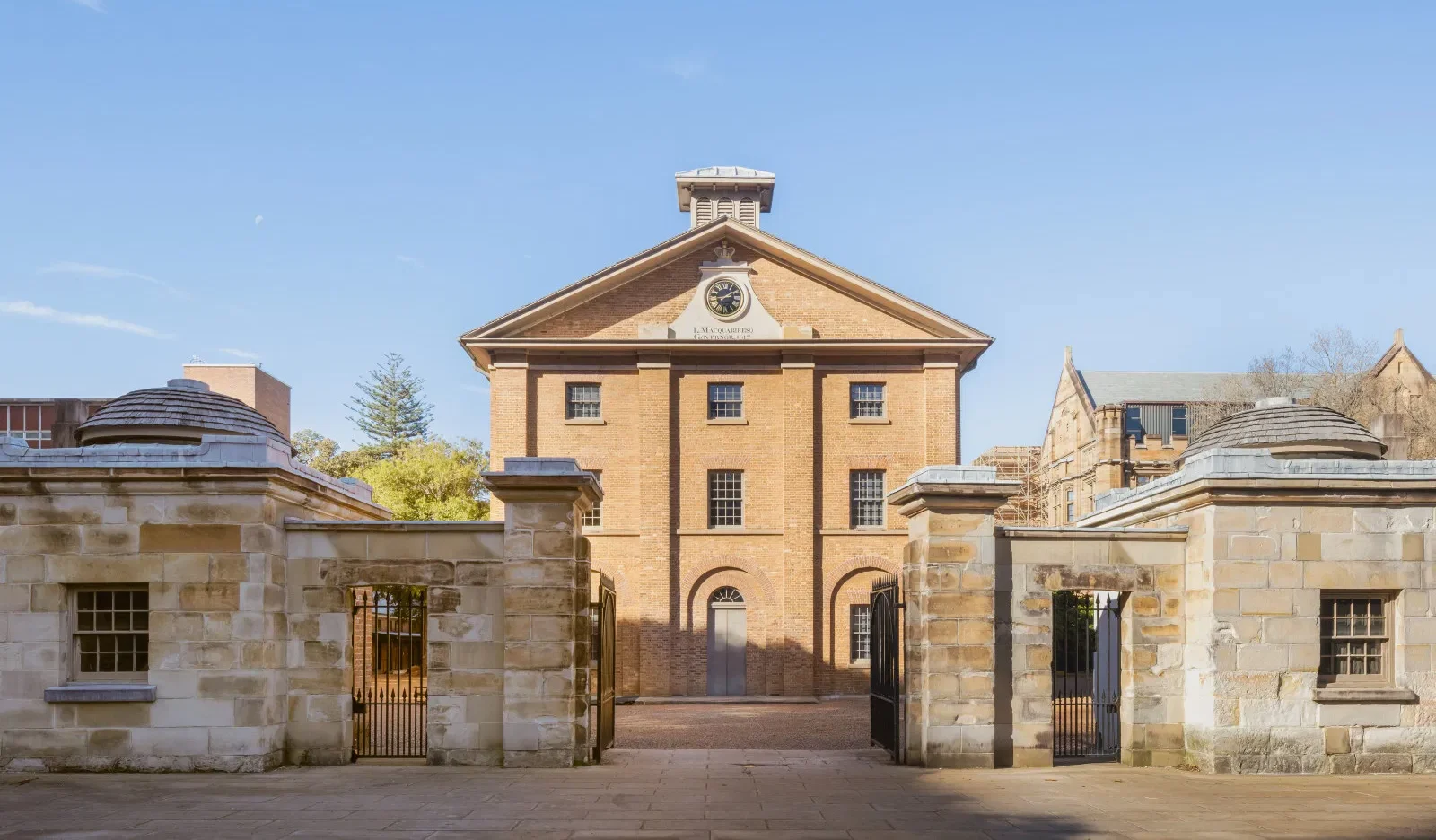
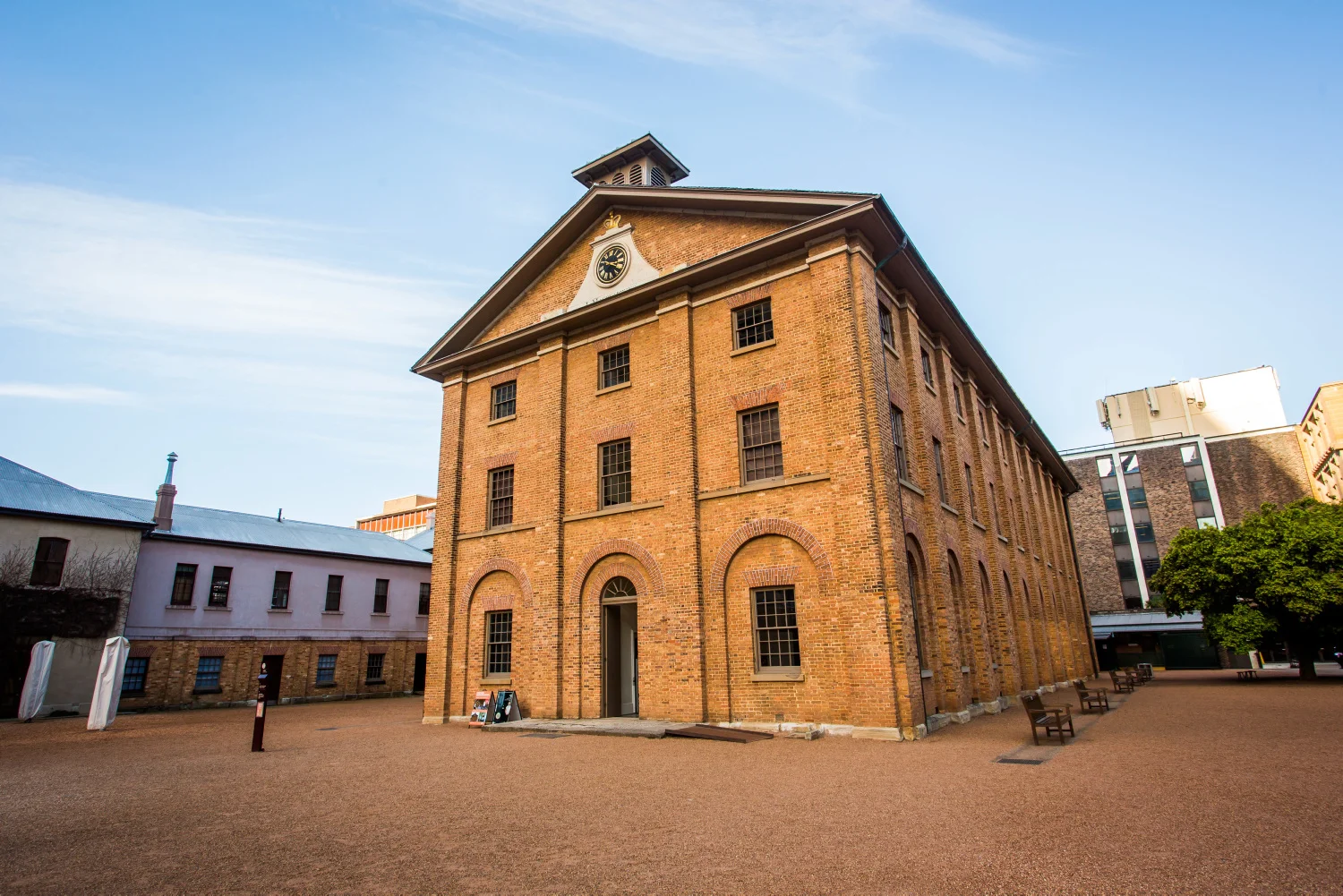
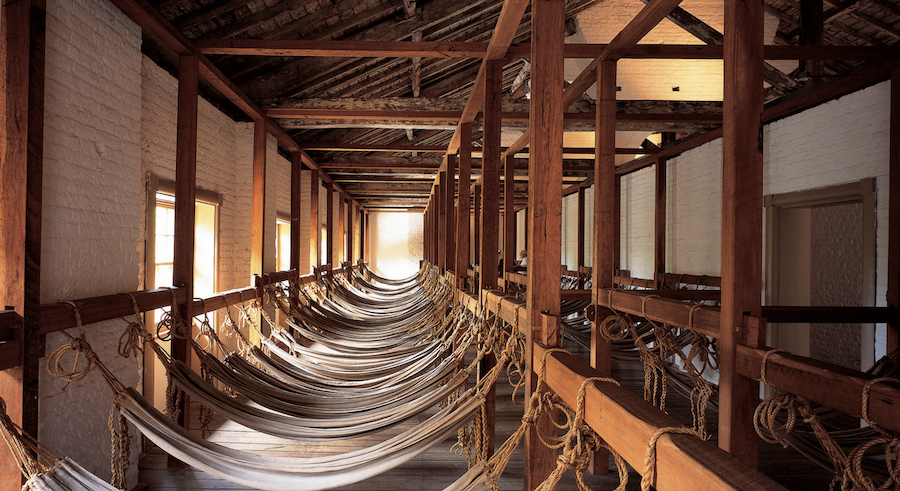
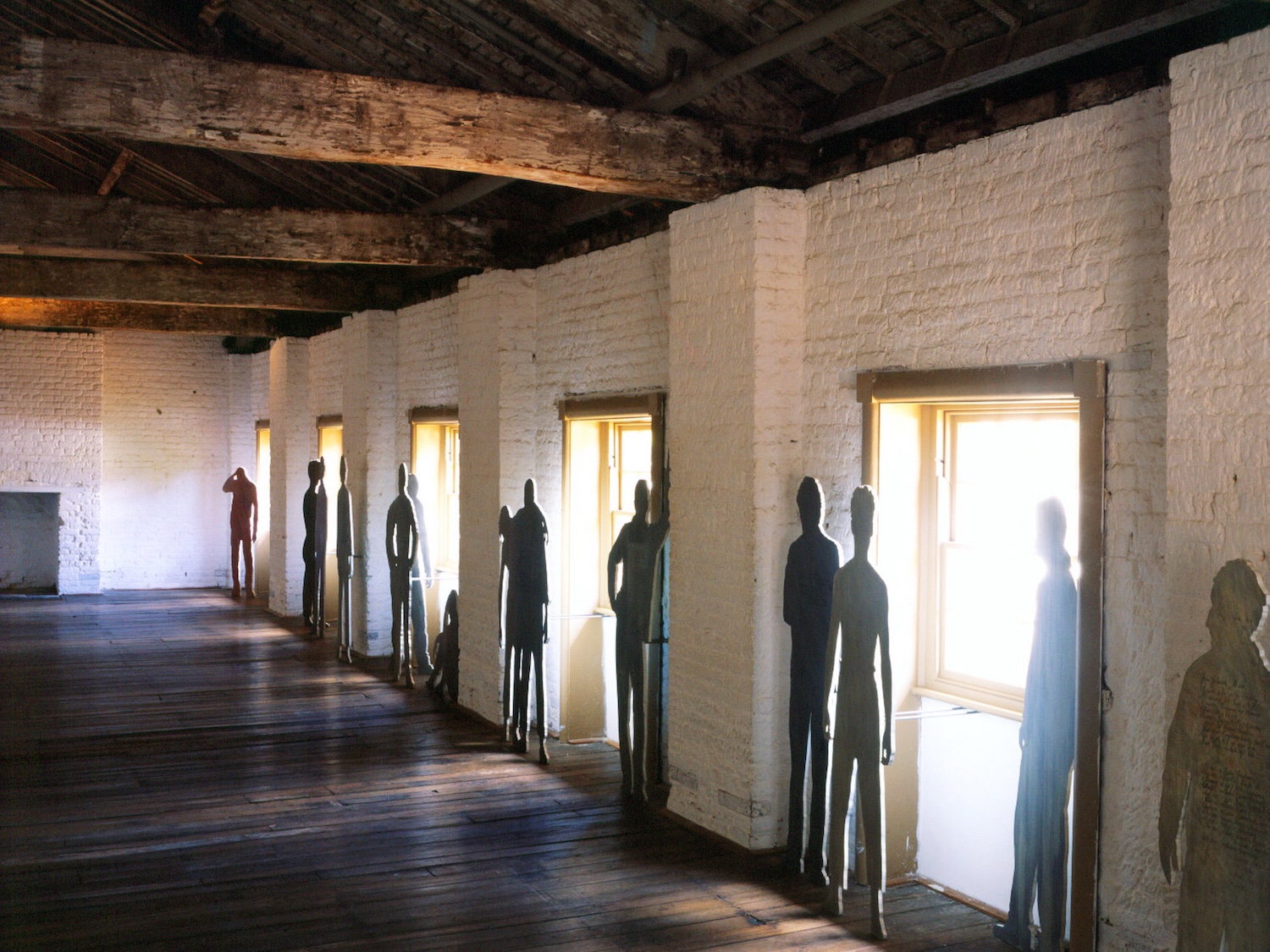
Sydney’s Hyde Park Barracks(opens in new tab) is the oldest of the group, opened on Macquarie Street in 1819 to house convict men assigned to government labour. It was designed by the convict architect Francis Greenway, whose work so impressed Governor Macquarie that he granted Greenway a full pardon soon after the barracks was finished. Built with hammocks strung in rows to sleep 600 men – though numbers swelled well beyond that at times – the barracks is remembered today partly through English convict James Hardy Vaux, an educated pickpocket and forger with the unusual distinction of being transported to New South Wales three times, arriving under a different name on each occasion. During one of his stints at the barracks in the 1830s, Vaux drew on his years among London’s criminal underworld to compile A Vocabulary of the Flash Language, a dictionary of convict slang widely described as Australia’s first – several terms still in use today. Hyde Park Barracks is managed today by Museums of History NSW(opens in new tab).
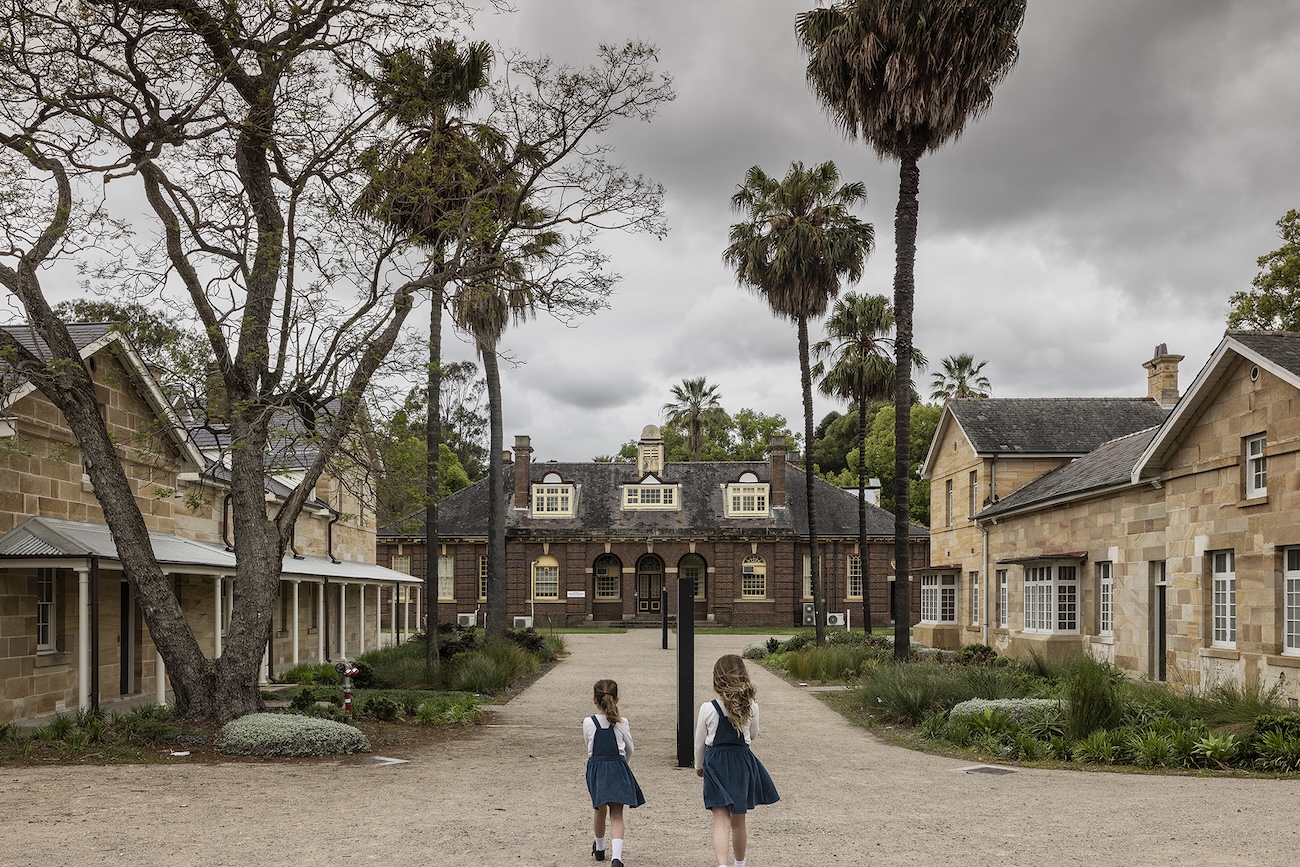
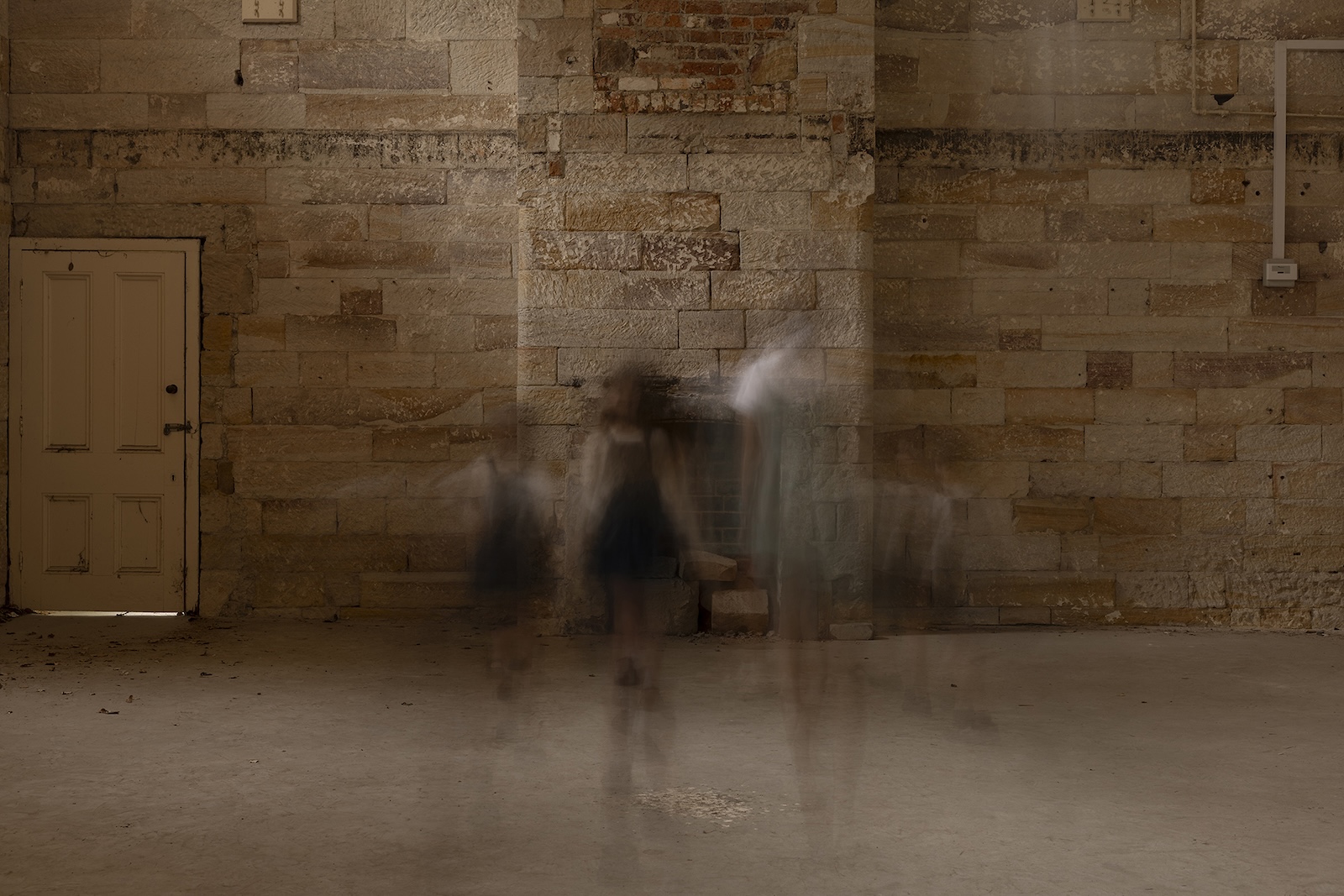
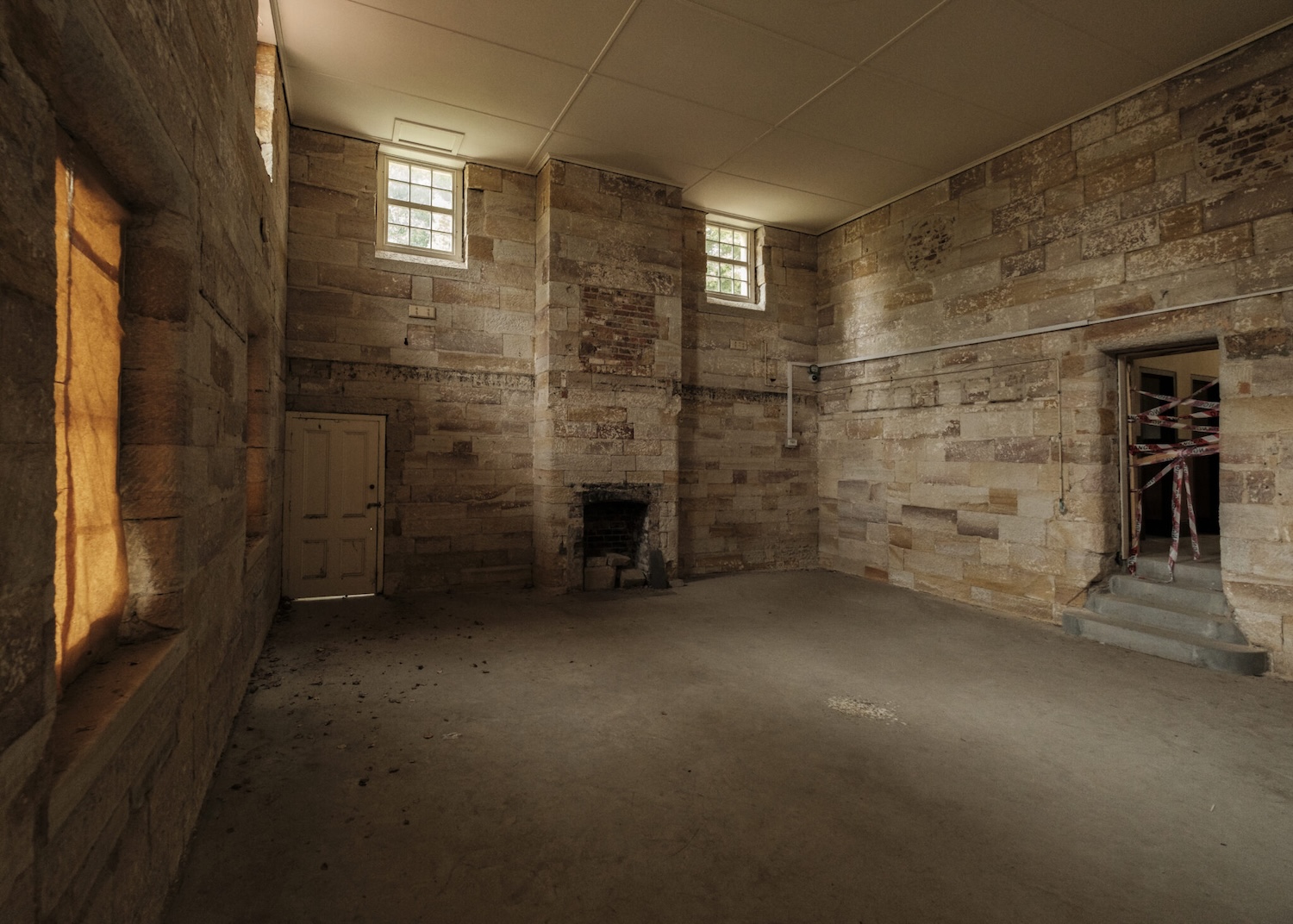
A few kilometres west, and two years later, the Parramatta Female Factory(opens in new tab) became the first institution built in Australia specifically for female convicts. Completed in 1821 and designed by the same Francis Greenway, it replaced two cramped rooms above the old Parramatta gaol where women had previously been kept, and went on to serve as a workhouse, marriage bureau, hospital and place of punishment for thousands of women over the following decades.
Conditions were harsh enough to provoke six riots between 1827 and 1843. The first, in October 1827, began after the matron cut rations of tea, sugar and bread, and ended with around 100 women storming the factory gates armed with stolen hammers and sledges, looting bakeries in the streets of Parramatta before soldiers worked to restore order. The October 1827 riot was the first workers’ riot and collective uprising by women in Australian history.
Mary Hamilton, an Irish convict transported for stealing candles, reportedly died of hunger and mistreatment at the factory the year before the riot, having been driven to eating scraps of bone and weeds to survive. The Parramatta Female Factory can still be visited on guided tours run by the volunteer group Parramatta Female Factory Friends(opens in new tab), whose website contains links to further history and information about walking tours.
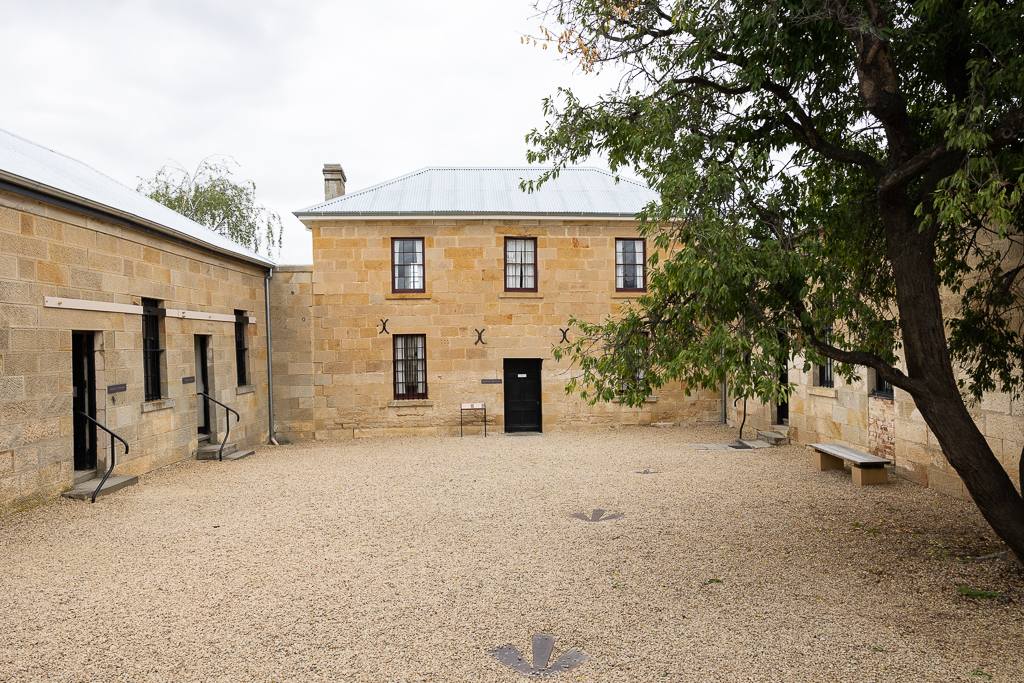
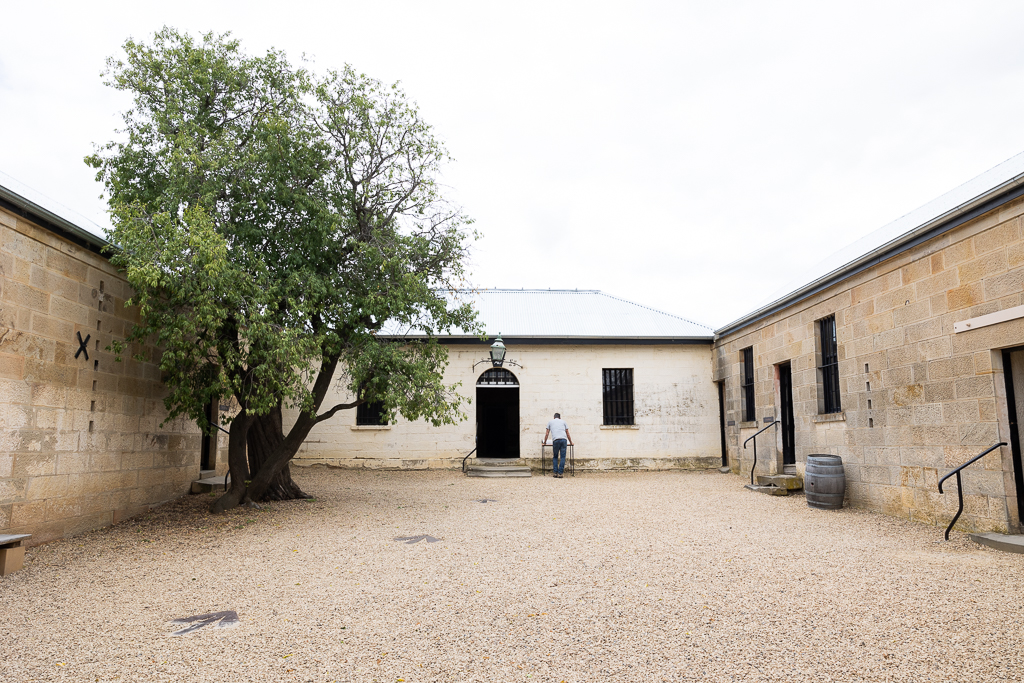
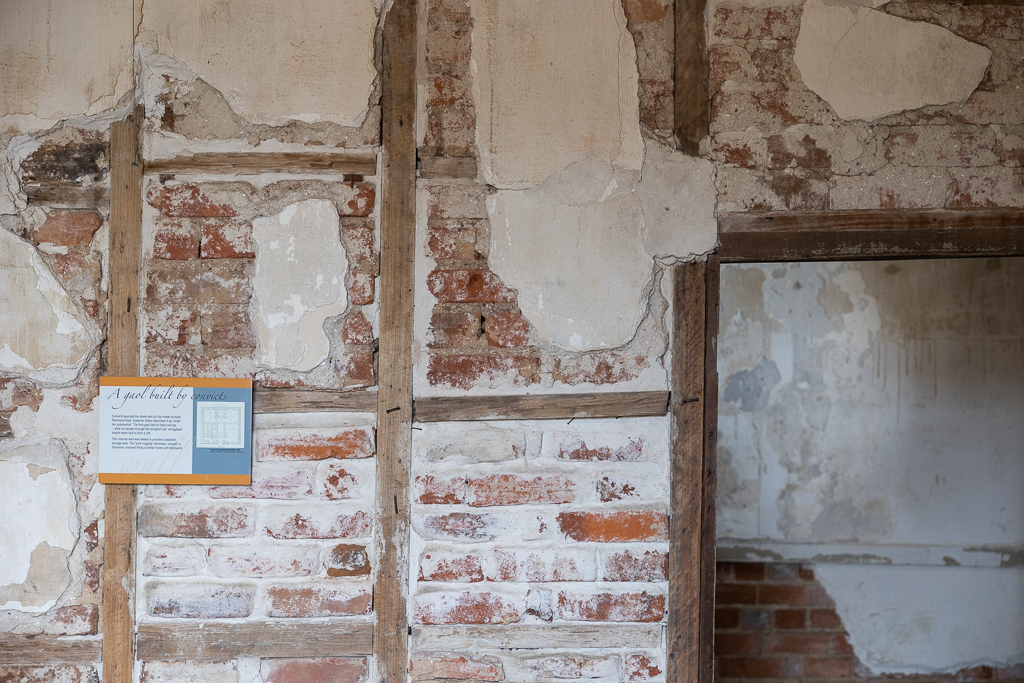
The same decade saw construction begin on Richmond Gaol(opens in new tab) in Tasmania, the oldest completely intact gaol still standing in Australia, predating even Port Arthur. Work started in 1825 under colonial architect David Lambe, initially as a single modest building enclosed by nothing sturdier than a timber fence, before additions through the 1830s added a two-storey gaoler’s residence, separate wings for men and women, and the sandstone wall that still encloses the site today.
Among the hundreds of convicts who passed through its cells was Isaac ‘Ikey’ Solomon, a notorious London receiver of stolen goods who escaped custody in 1827 and fled across the Atlantic to New York. When his wife Hannah was transported to Van Diemen’s Land for the same trade, Solomon followed her to Hobart, where old acquaintances recognised him within days. The Governor lacked the paperwork to arrest him until a warrant from London arrived around a year later. Returned to London and tried at the Old Bailey in 1830, he was convicted and transported back to Tasmania for 14 years, of which he spent four at Richmond Gaol. His flamboyant career and dramatic escape are widely believed to have inspired Charles Dickens’ Fagin in Oliver Twist. Richmond Gaol operated until 1928.
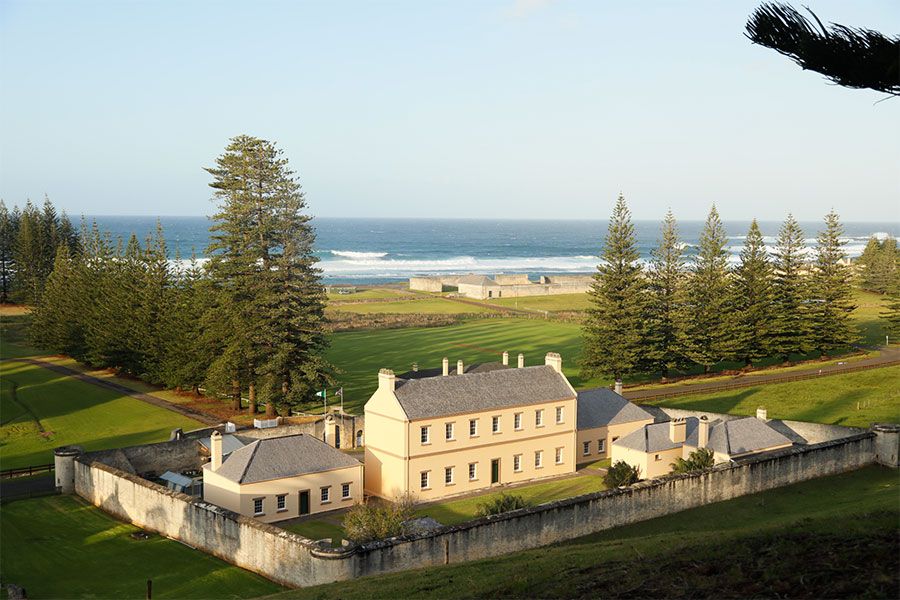
That same year, on the other side of the country’s penal geography, Norfolk Island’s Kingston settlement(opens in new tab) was re-established as a place of secondary punishment for convicts who reoffended after arriving in New South Wales. A brutal outpost, it was deliberately severe so that the mere threat of being sent there would discourage crime. Between 1840 and 1844, British naval officer Alexander Maconochie ran the settlement on a markedly different footing, replacing fixed sentences with a system of marks that prisoners earned through good conduct and could exchange for privileges and, eventually, freedom. His reforms proved unpopular with the authorities and he was removed from his post in 1843.
Conditions under his successor, Major Joseph Childs, deteriorated so badly that in 1846 a group of convicts murdered four minor officials in what became known as the Cooking Pot Uprising. Twelve men were hanged for their part in it and buried in an unmarked plot still known today as Murderers’ Mound. Kingston and Arthur’s Vale Historic Area is the oldest of Australia’s 11 UNESCO-listed convict sites, and its visitor website, kingston.norfolkisland.gov.au, sets out self-guided walks through the settlement’s remaining buildings.
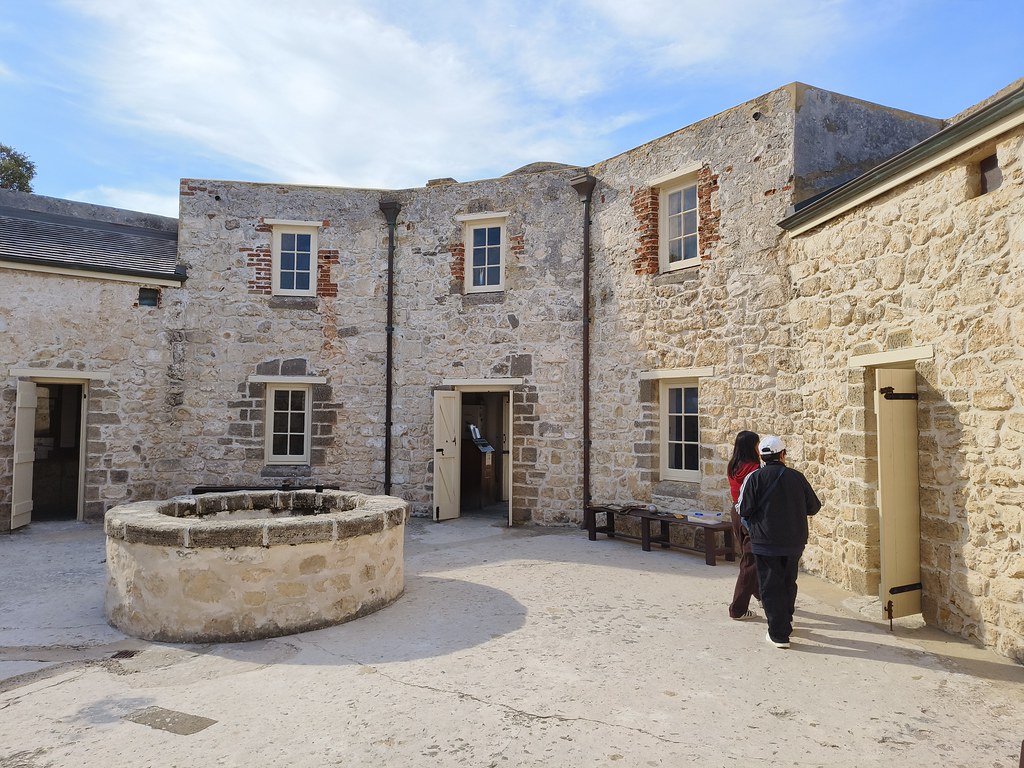
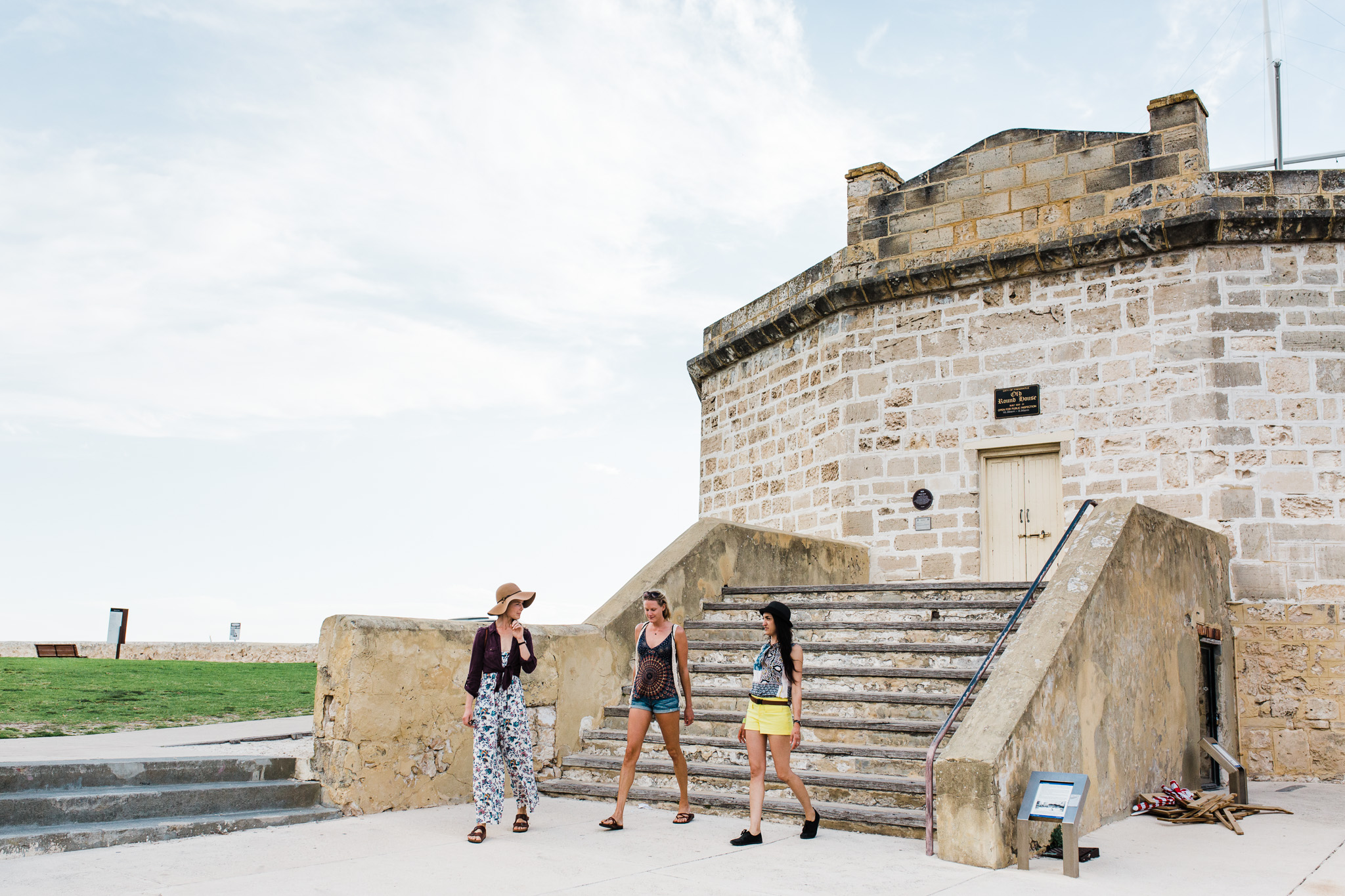
The oldest public building in the state, Western Australia’s Round House(opens in new tab) at Fremantle’s Arthur Head was the Swan River Colony’s first permanent public building and its first gaol. Designed by the colony’s inaugural civil engineer, Henry Willey Reveley, and completed on the eighteenth of January 1831, its 12 sides and eight cells held colonial prisoners until 1886 – well after the larger Fremantle Prison had opened its own cell blocks. Its most sobering story belongs to John Gavin, a 15-year-old convict boy convicted of killing his employer’s son, who became, in 1844, the first European settler executed in the colony. Today the Round House is looked after by volunteer guides and can be visited free of charge.
Images of Hyde Park Barracks courtesy of Museums of History NSW. Images of Parramatta Female Factory by Australian Geographic.
Journey with us on instagram
Our latest property listings, stay offers, and feature articles delivered straight to your inbox.