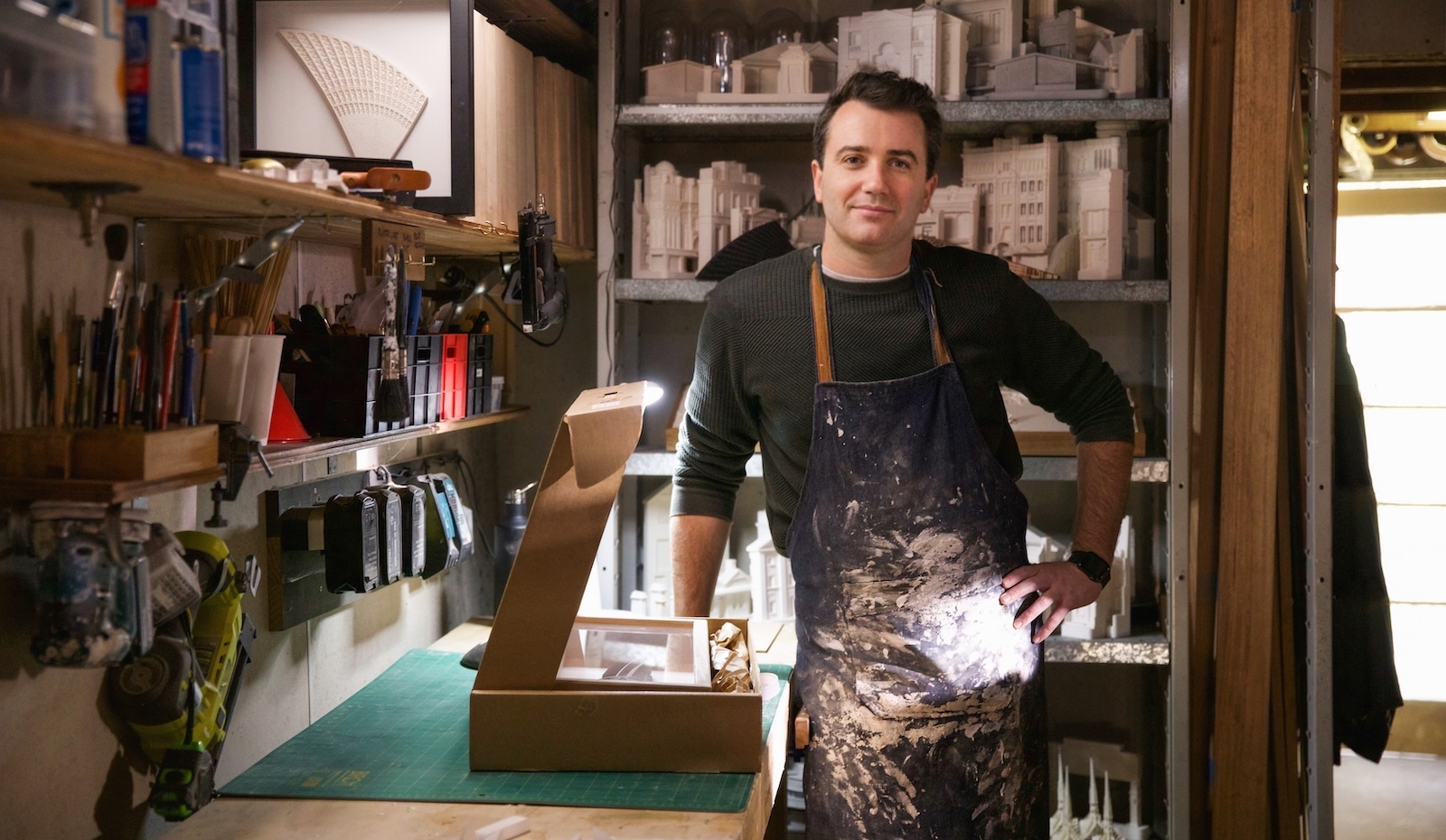
How long have you been creating architectural models? Do you have a dedicated workshop?
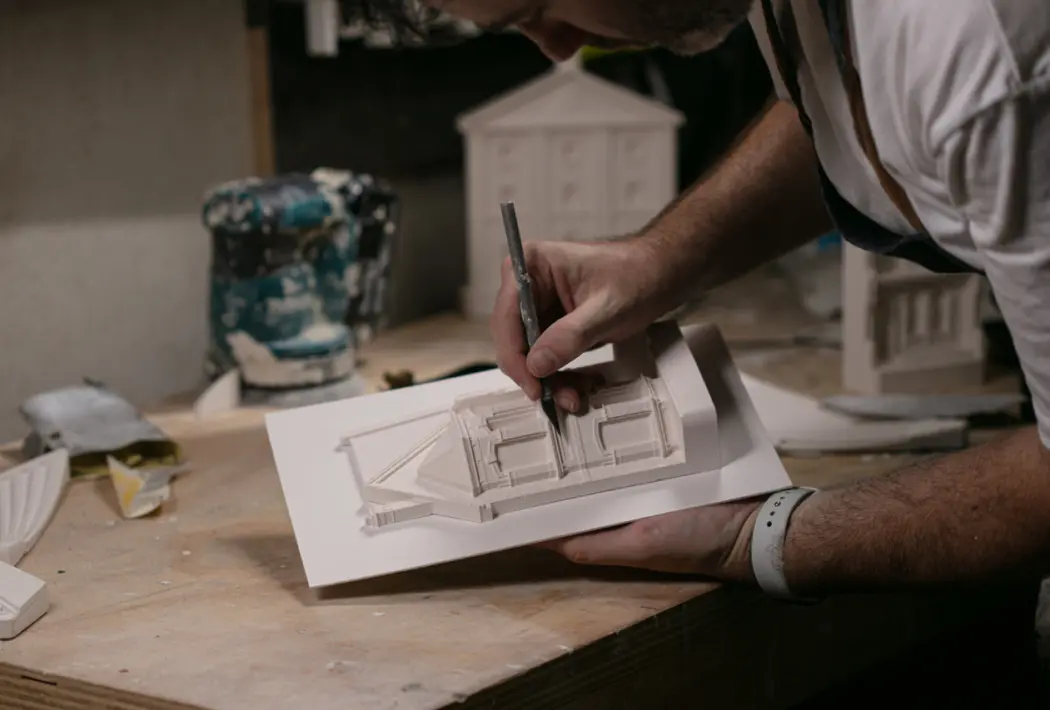
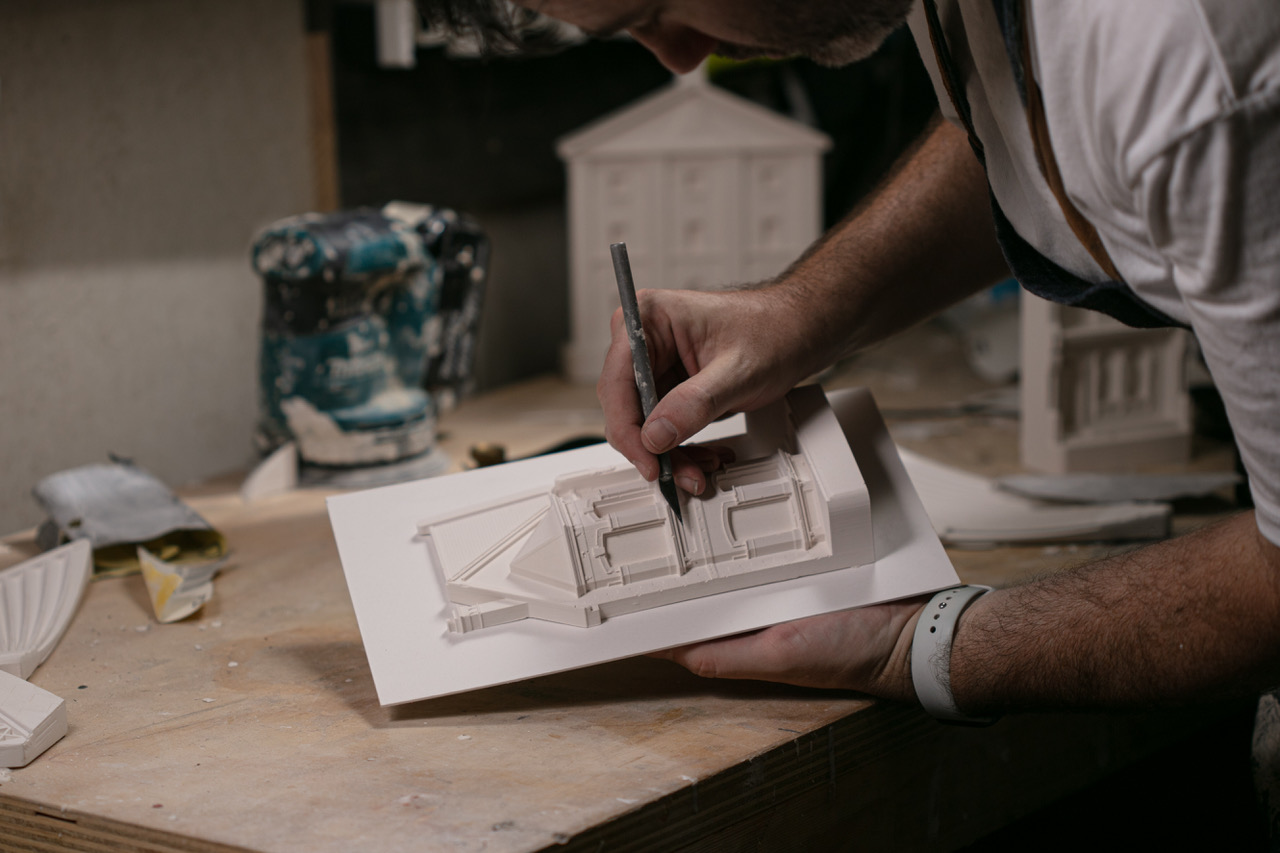
I’ve always loved making models. I started making models of absolutely everything in balsa wood when I was in early primary school and never really stopped. Then when I went on to study architecture at university, a big component was making, then analysing models to understand how a building would look and function. Even now, having finished my studies over 15 years ago, it’s one of my favourite parts of working on a project. FromBIGthings allows me to enjoy that experience with others.
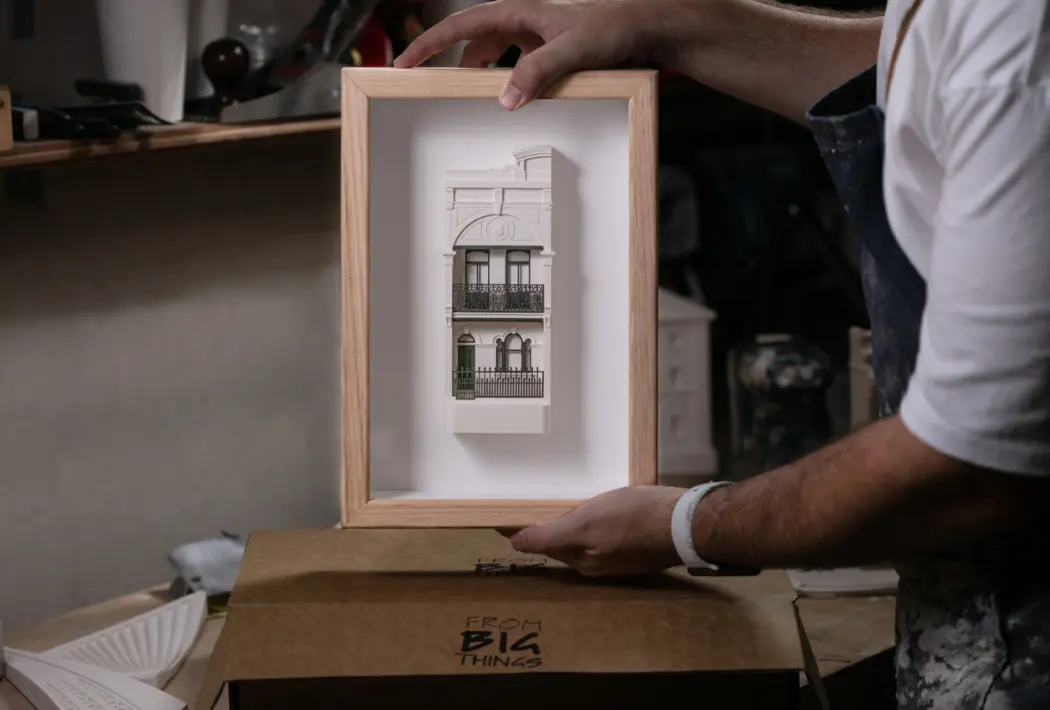
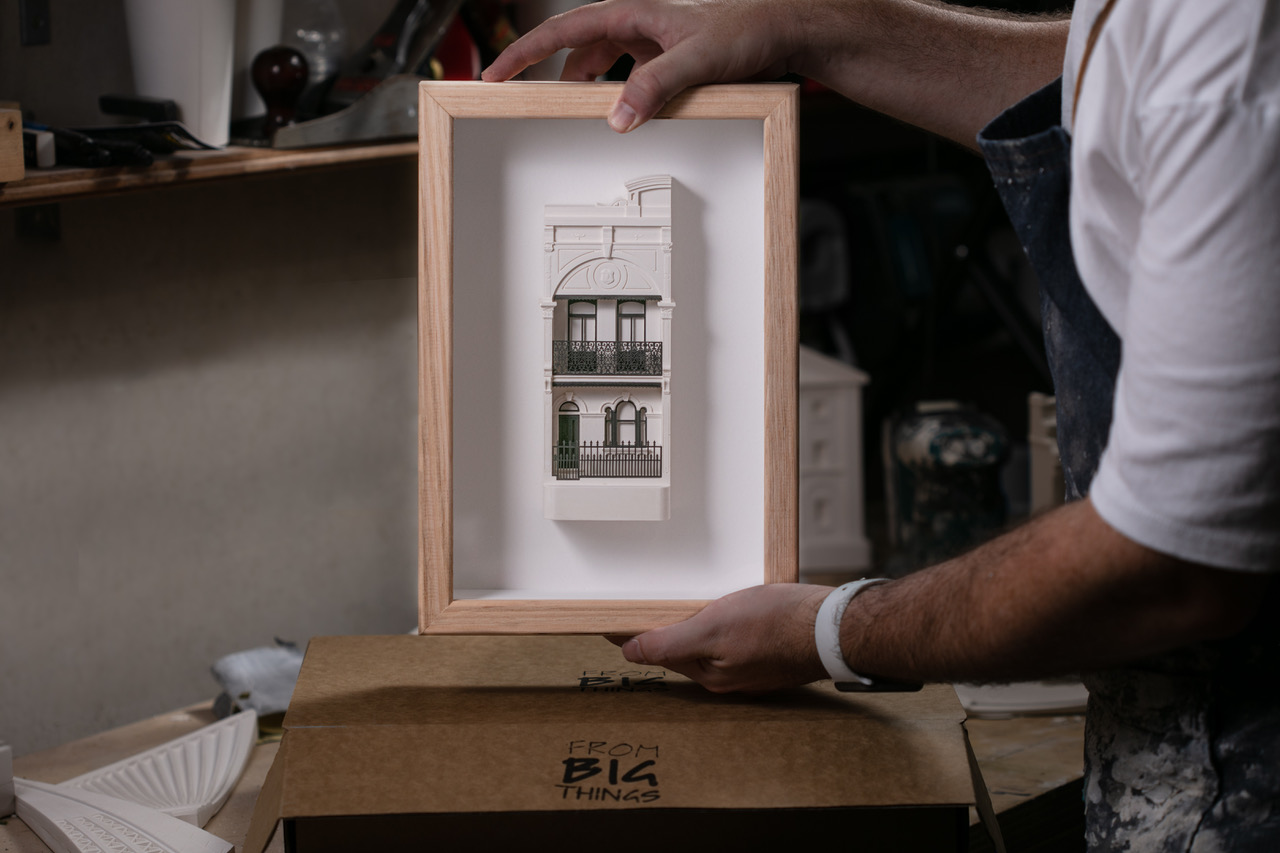
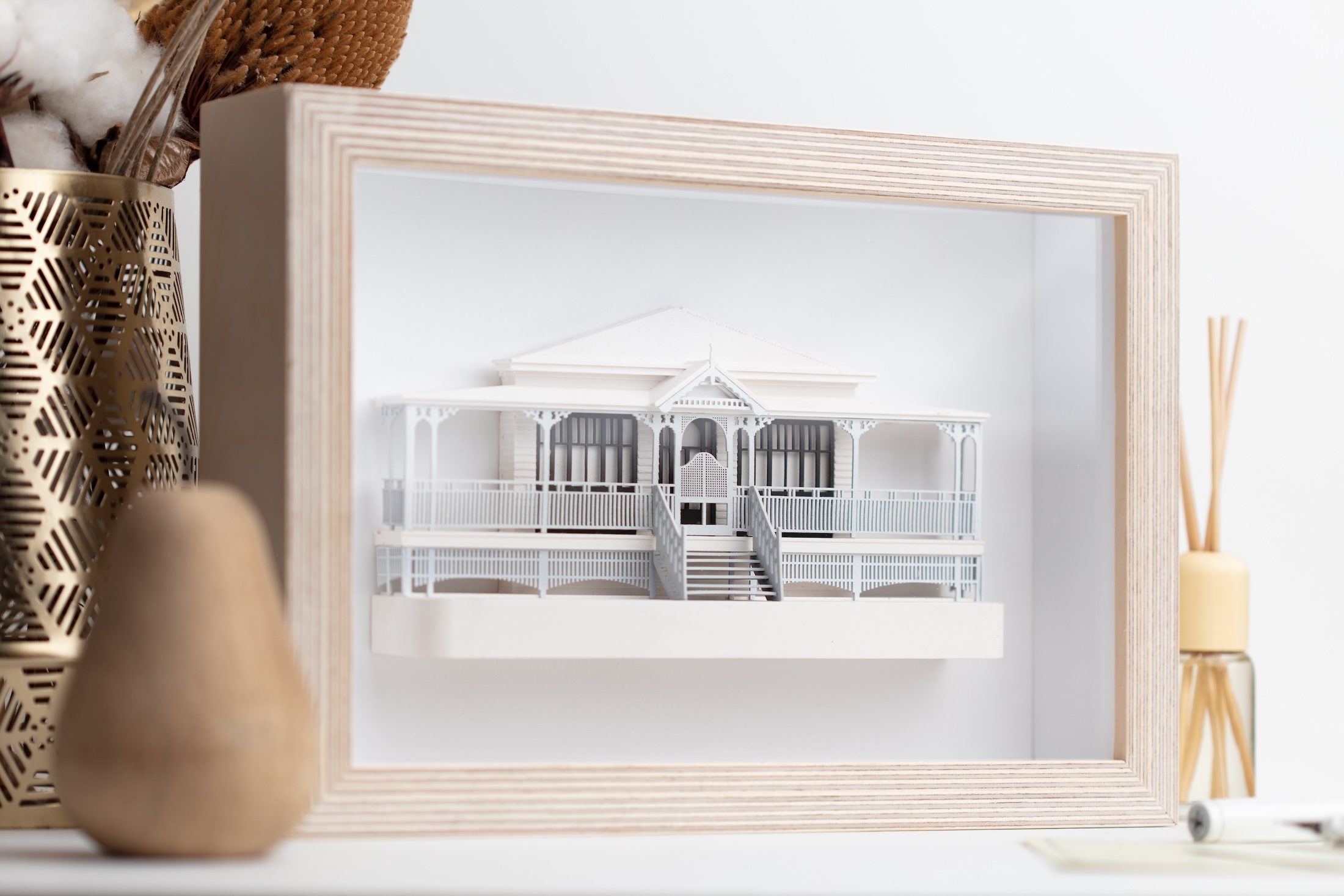
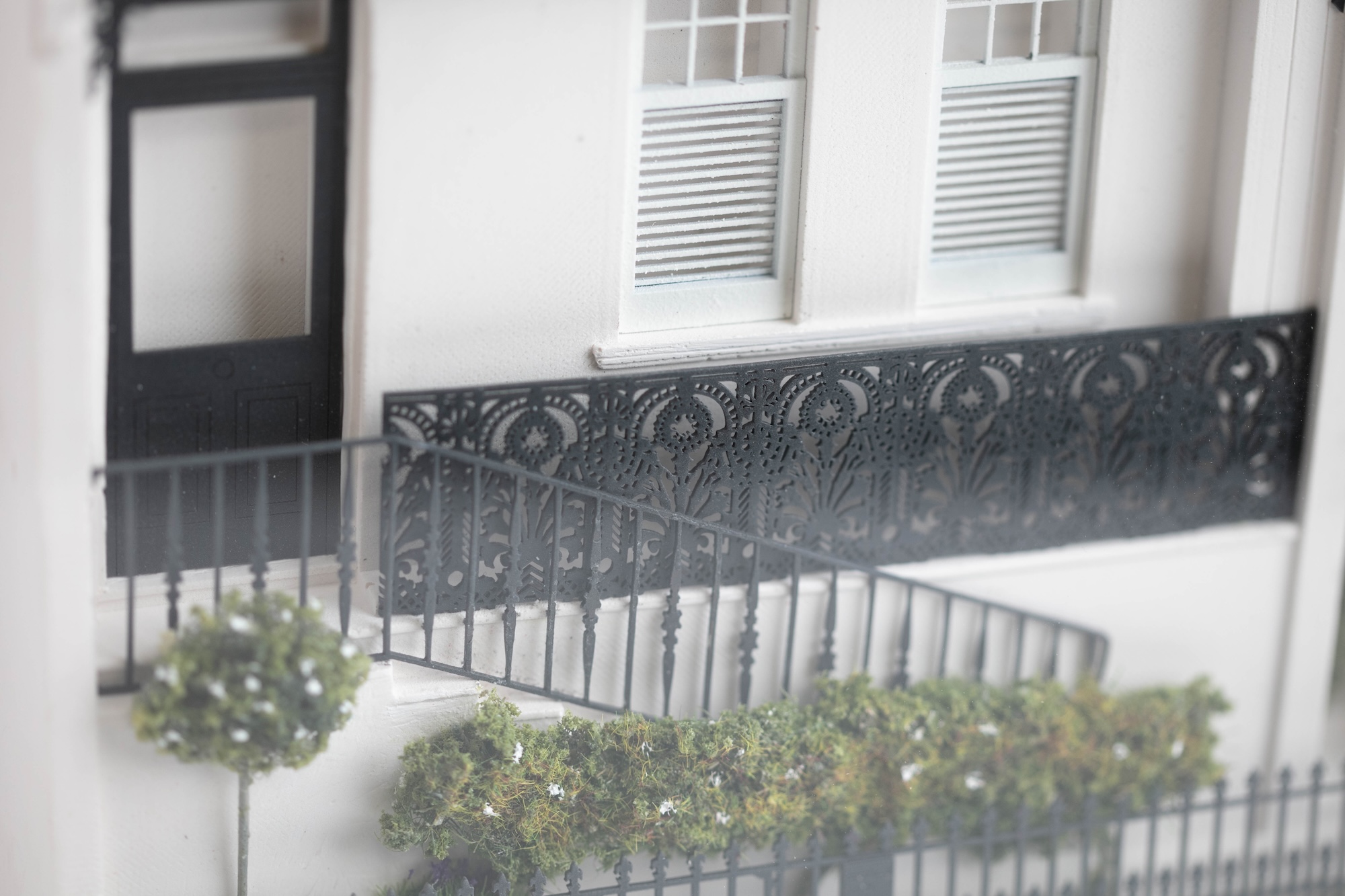
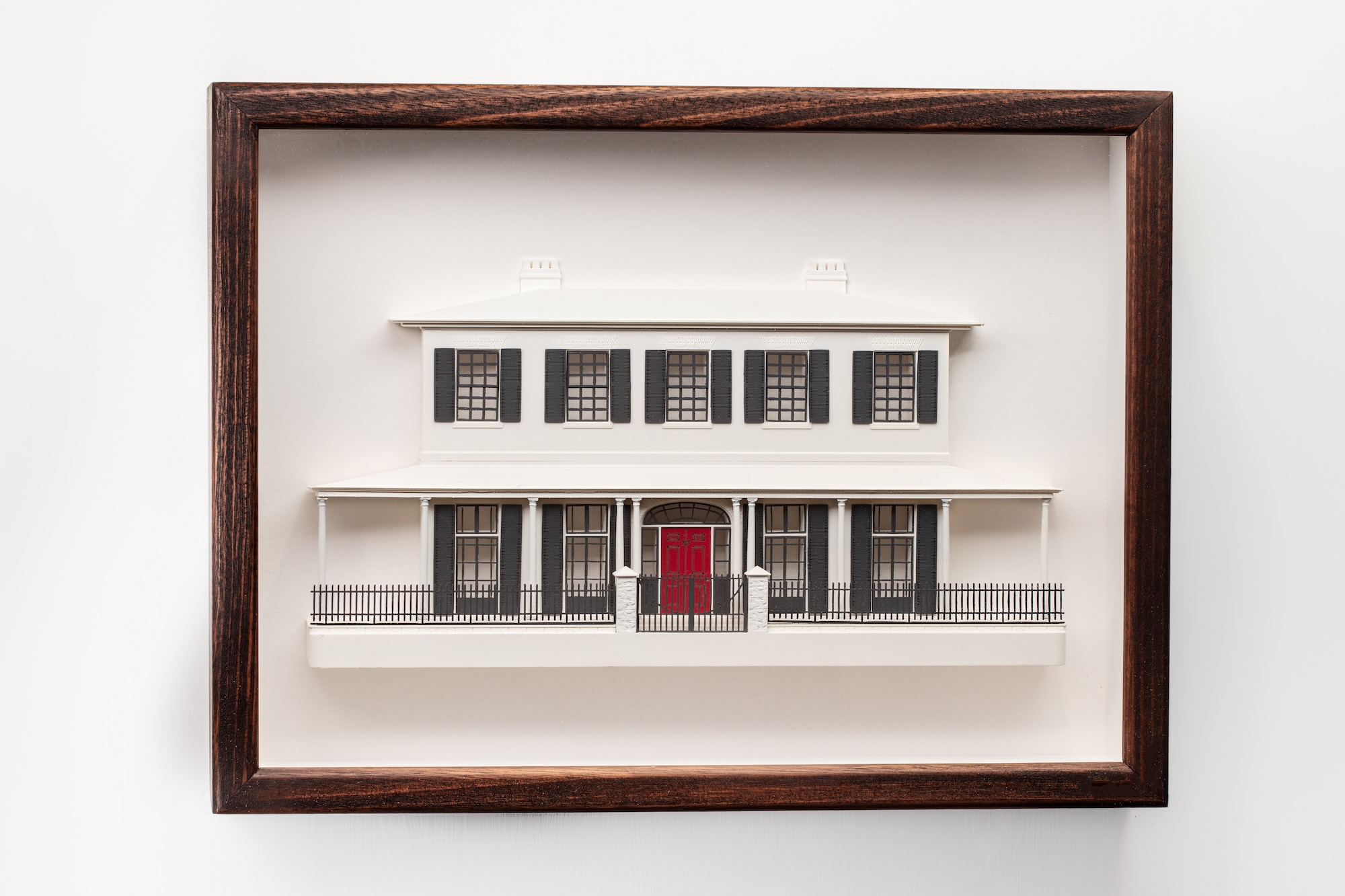
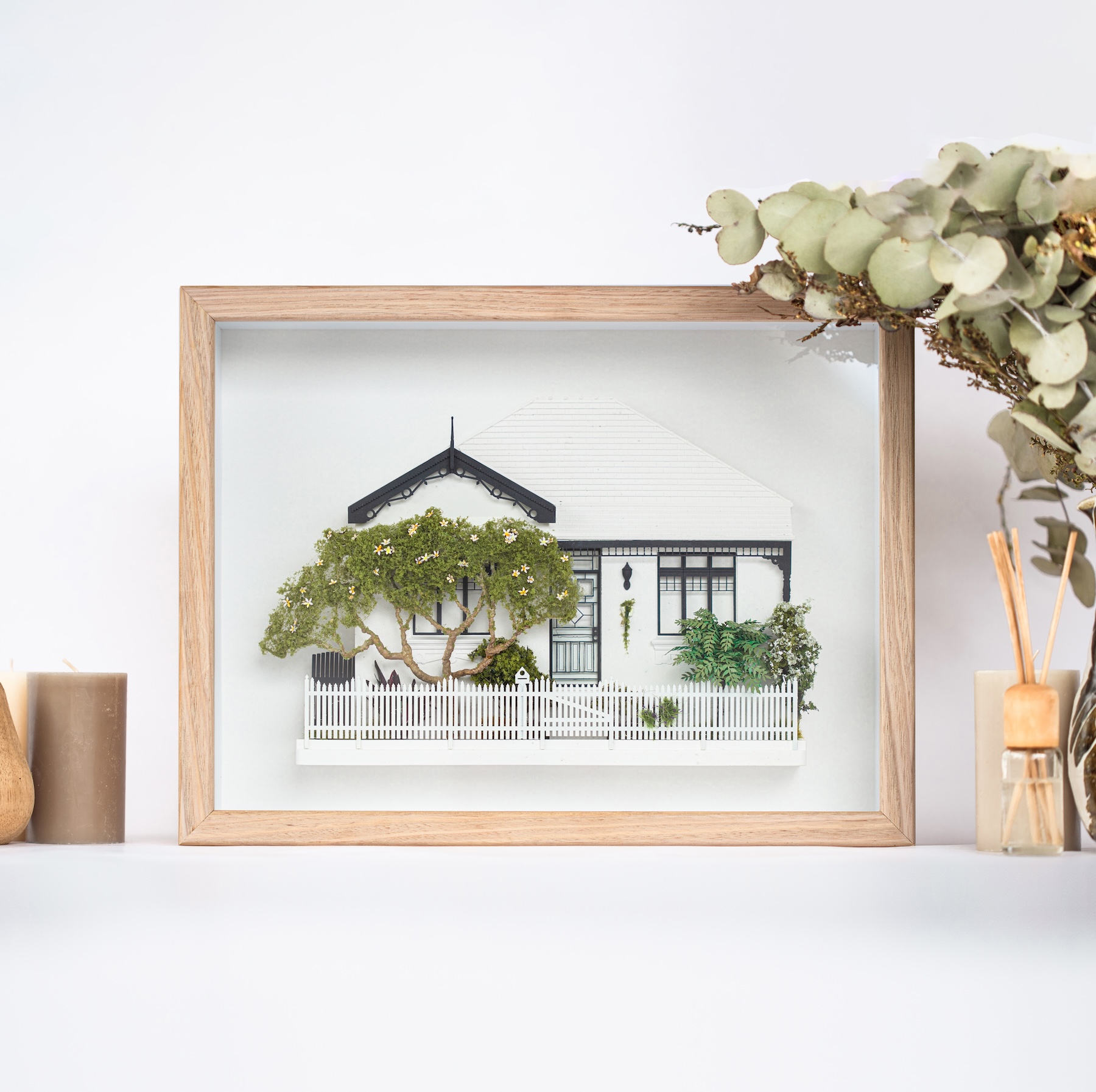
I have a dedicated workshop that I rent in Marrickville, Sydney, which provides me the space required for making models as well as working on the deep frames for those models. The frame making is one of the most time-consuming elements of any model. It’s not a commercial frame, but rather, a deeper, Australian Hardwood frame custom-made specifically for each model.
What inspired you to think of the concept?
It all came about when Aldi released a 3d printer; I was teaching architecture and cad in a design college and thought it would be a fun way for students to see their digital work in 3d, but instead, I got hooked on it. That little printer, which I named Prints Charming, would spur me into something I thoroughly enjoy and have now been creating for over five years.
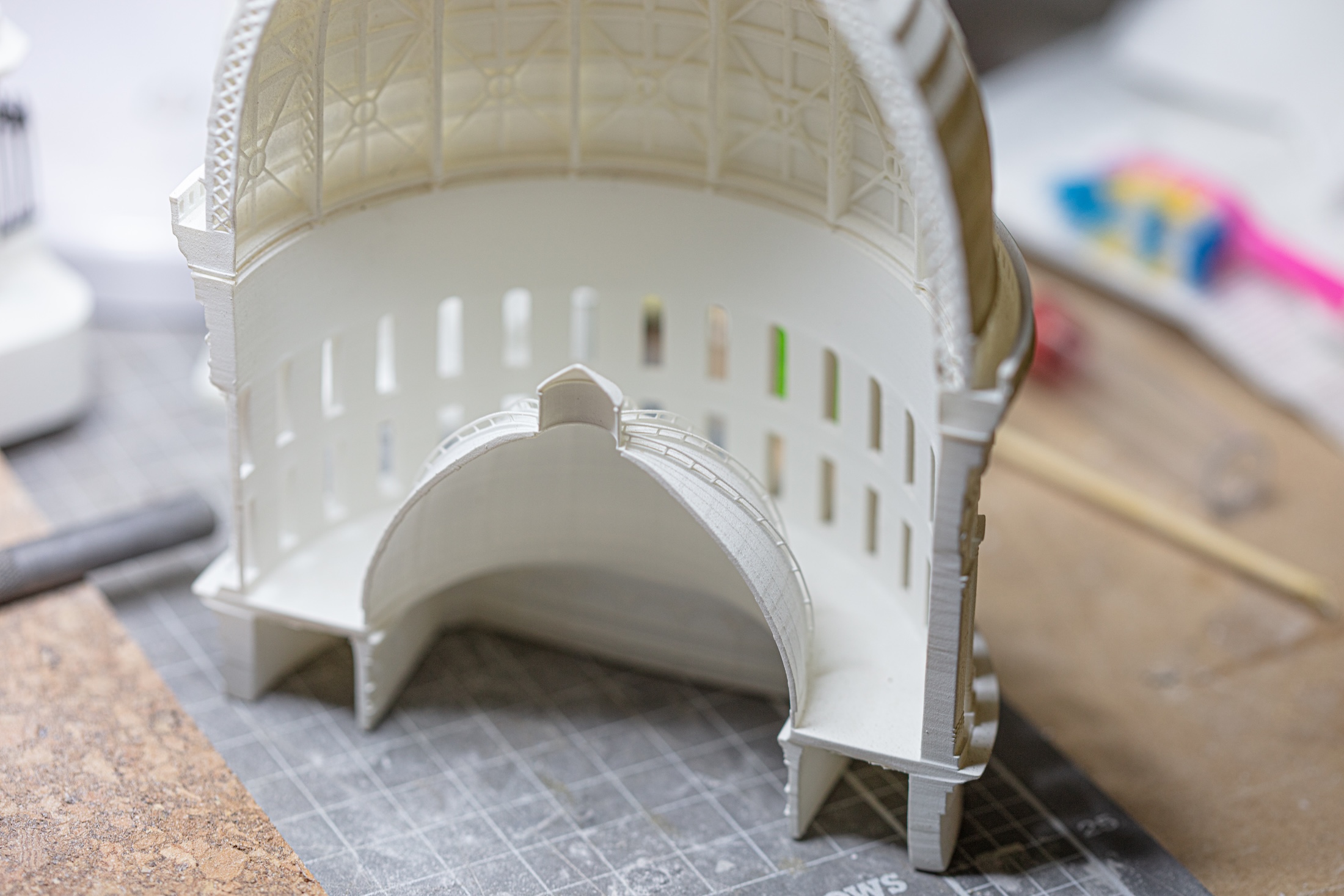
The next big step, an extremely time-consuming process, was taking those models and casting them from a mould. I learned so much about production and improving the original model to make a better cast. Although I love working with the dense and heavy plaster, I’ve started to become a lot more environmentally conscious in relation to the silicone mould and plaster making process, and only offer plaster models where the model is required to be held, or is not framed.
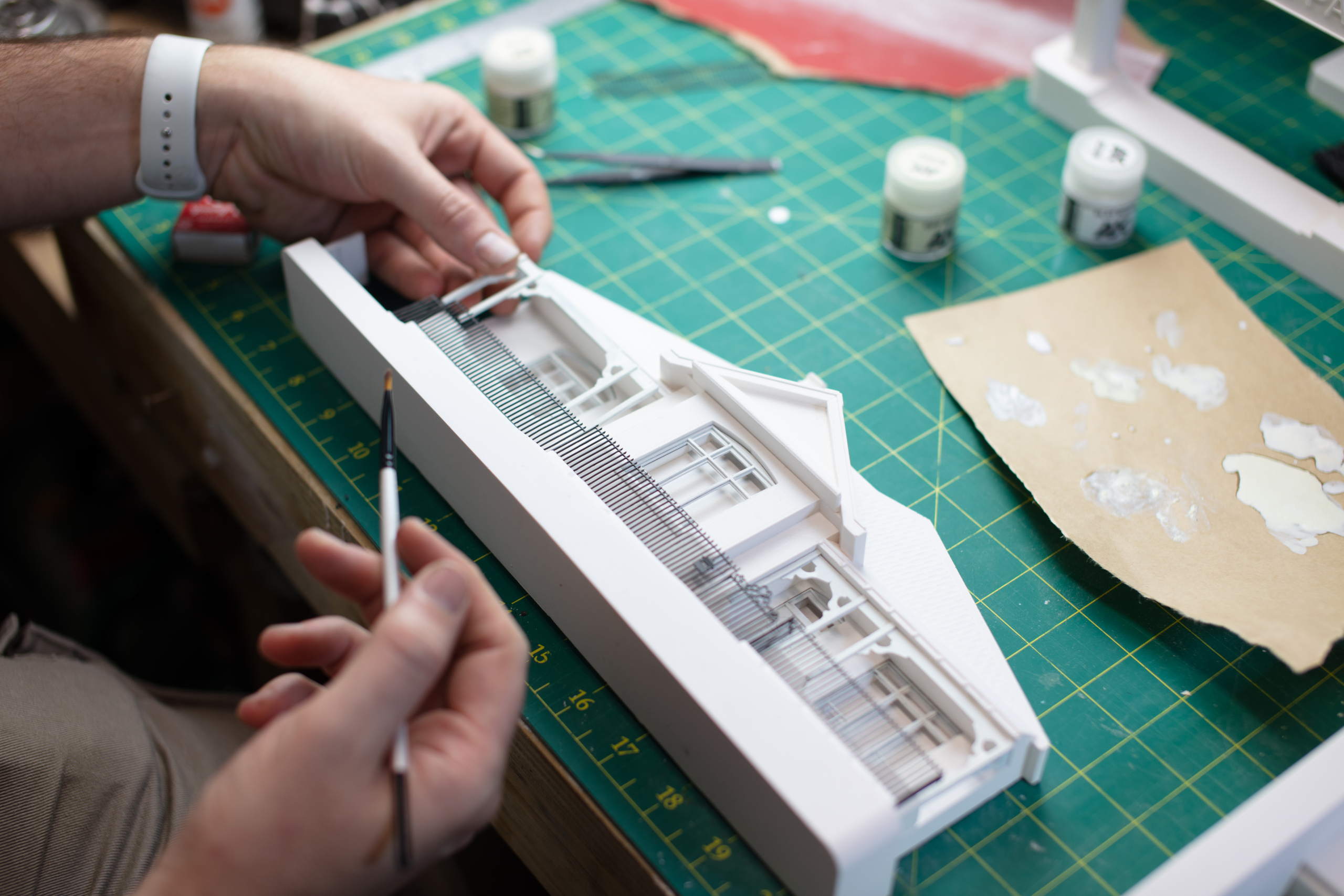
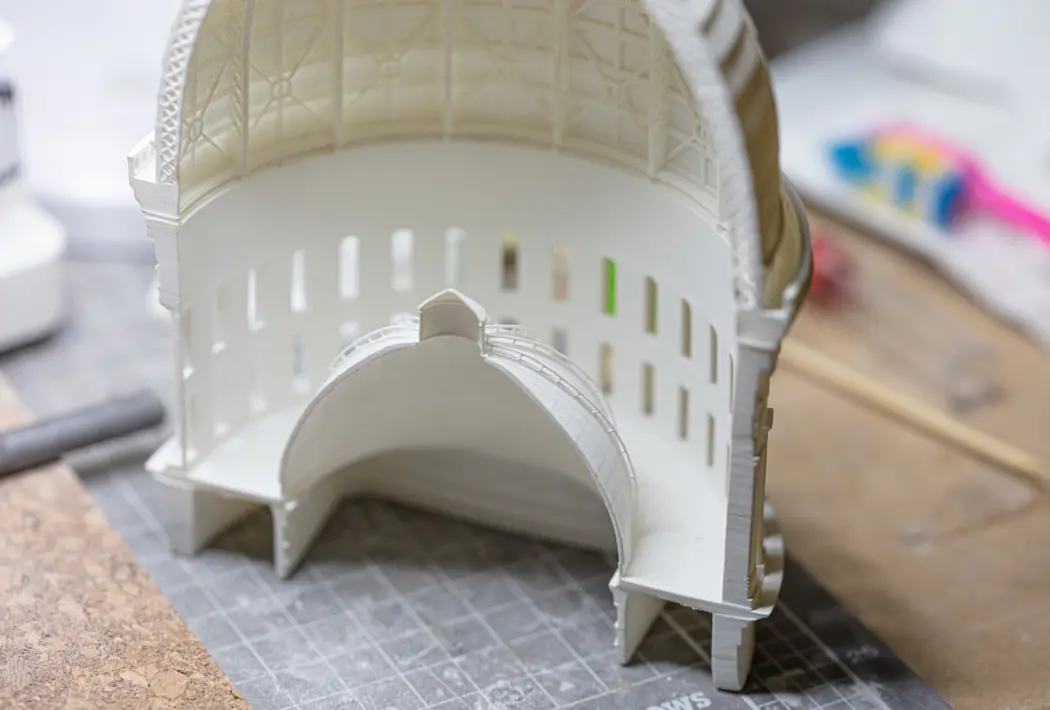
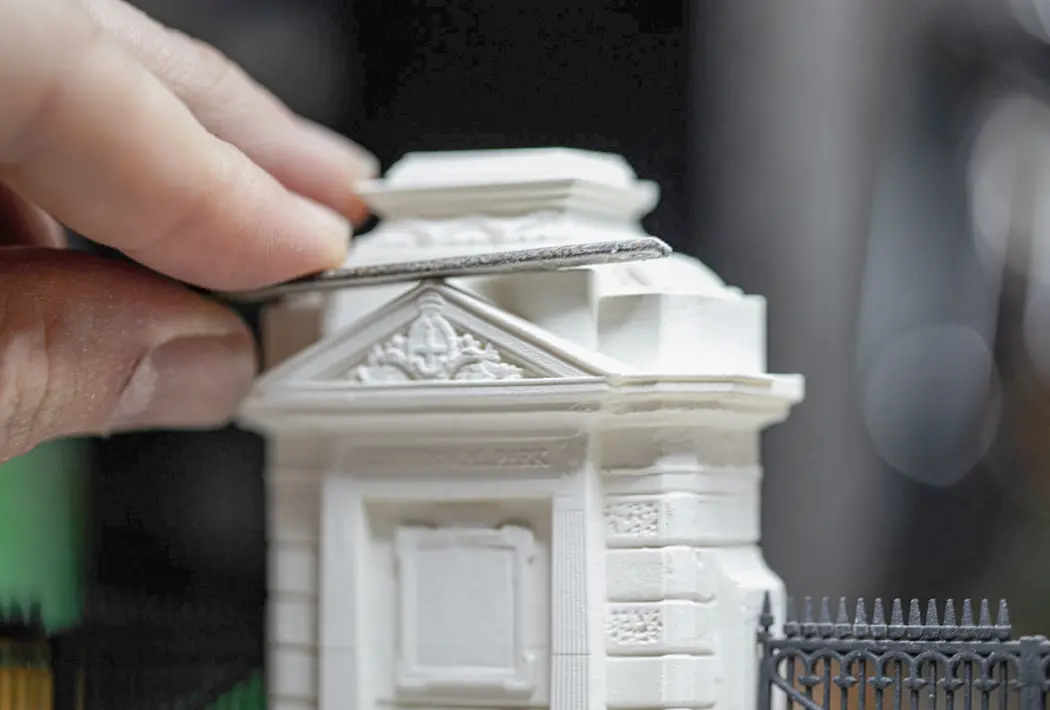
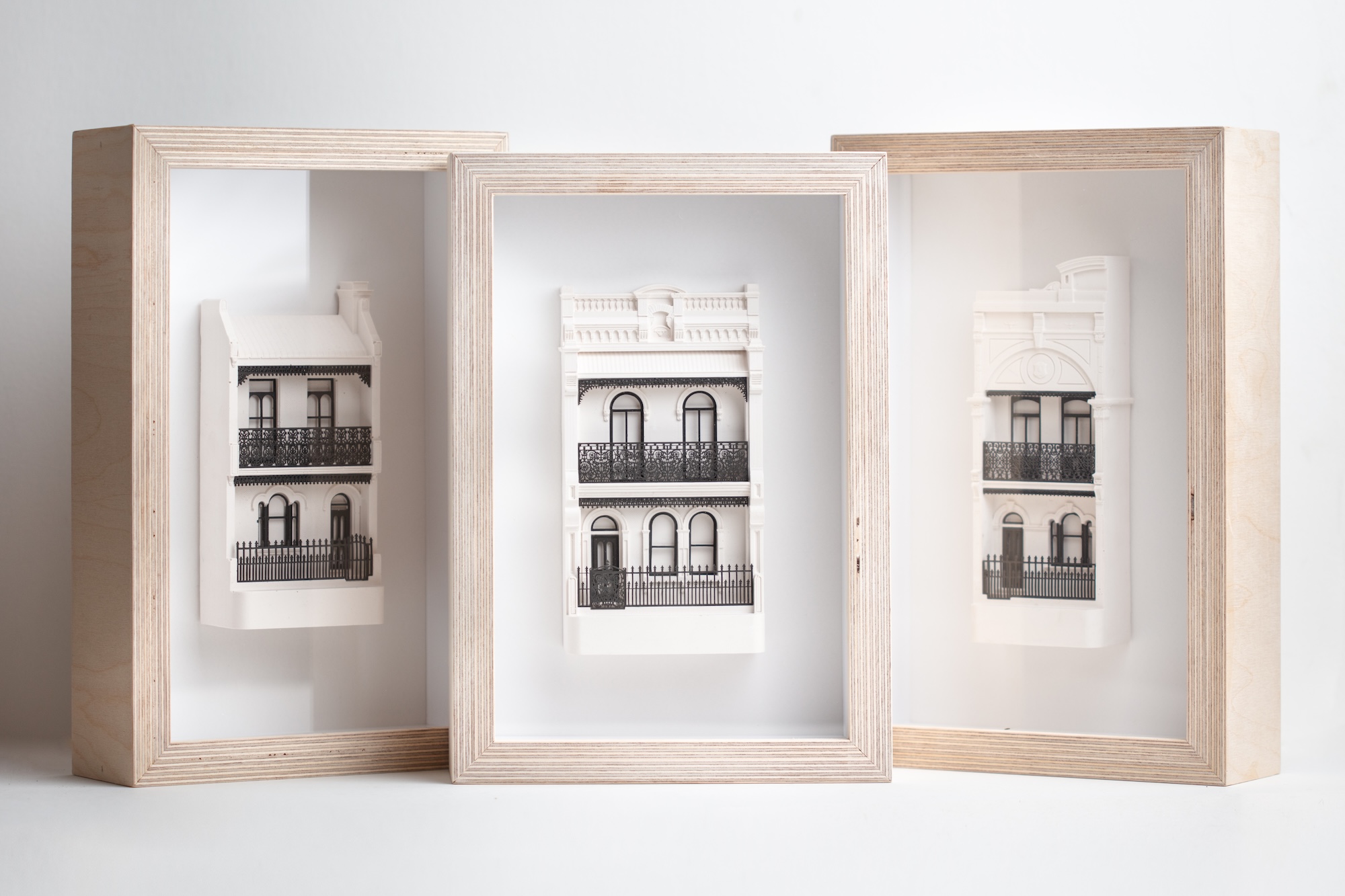
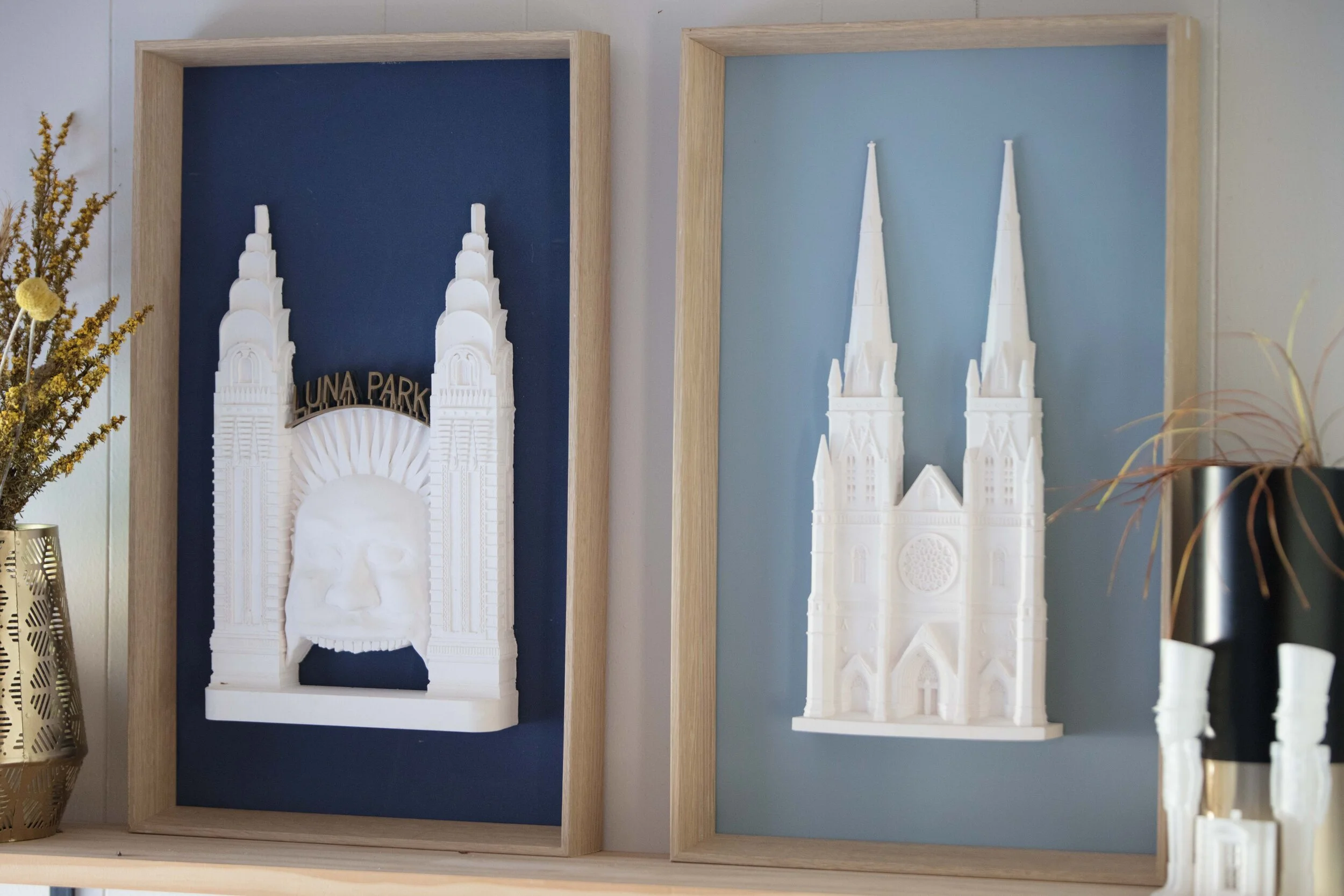
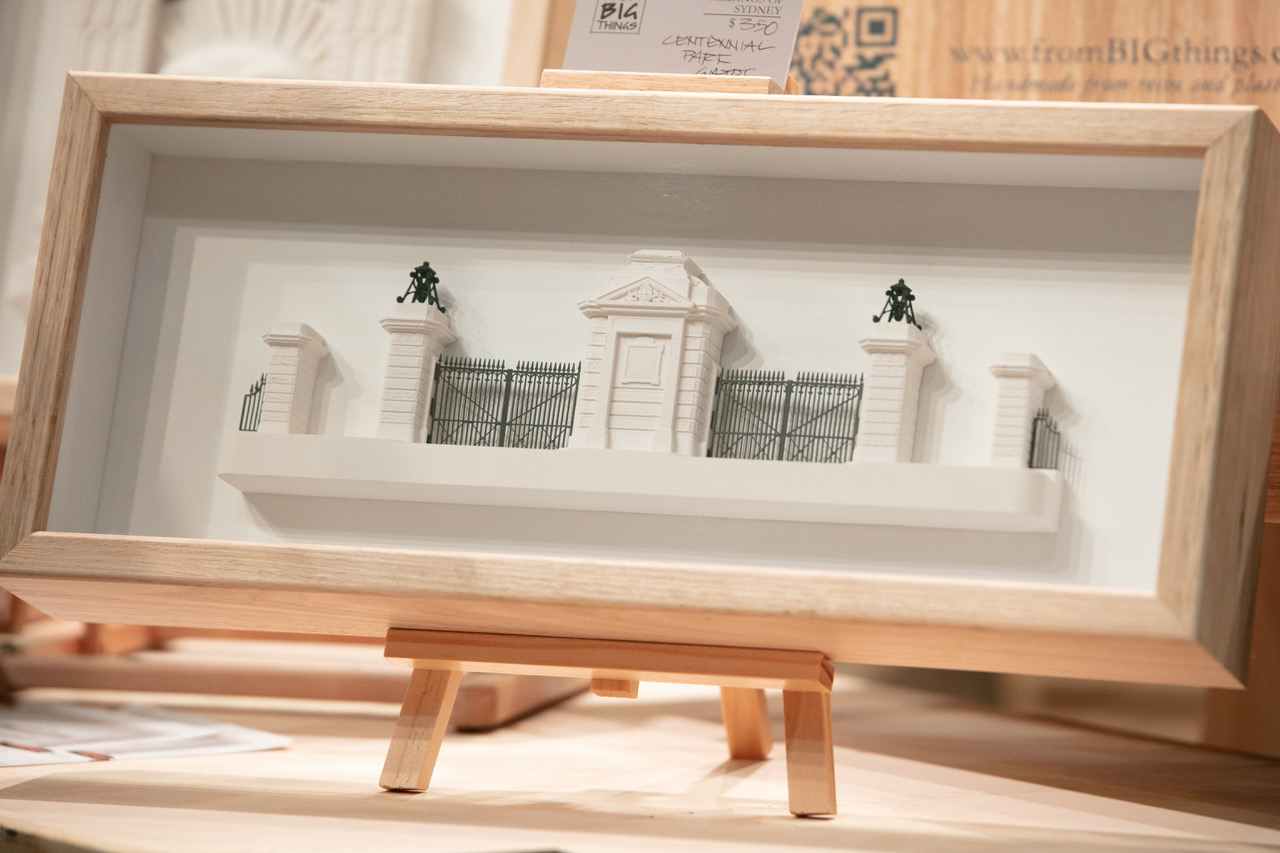
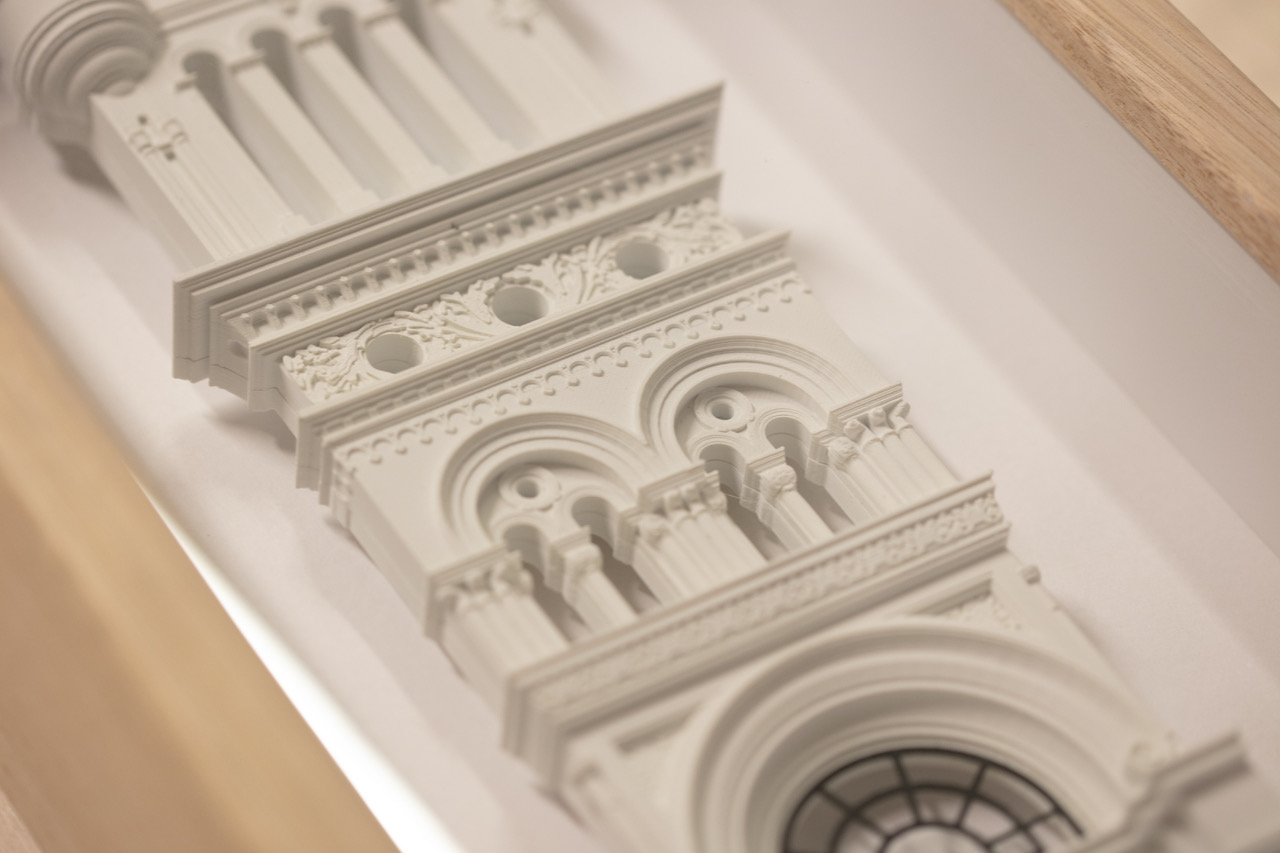
Two Sydney icons of completely different scales were the first buildings that came to mind when I discovered an aesthetic I liked. First were the terraces of Sydney, which I have offered from day one. The other, the Queen Victoria Building is a set of different models that I constantly refine, and add to.
You’re an architect and a professional trumpet player. Whilst these fields are quite different, are there key skills that overlap between the two? What certain skills do you apply when creating your models?
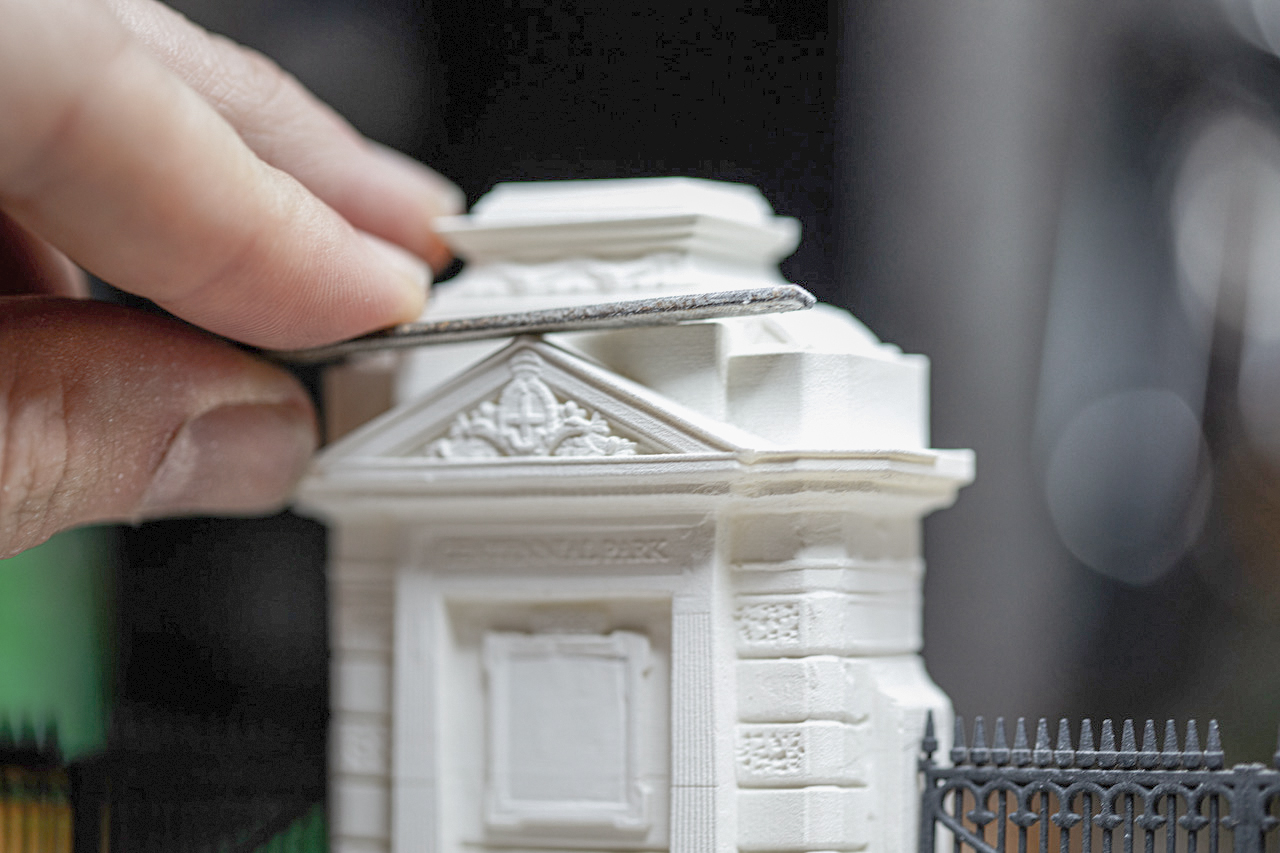
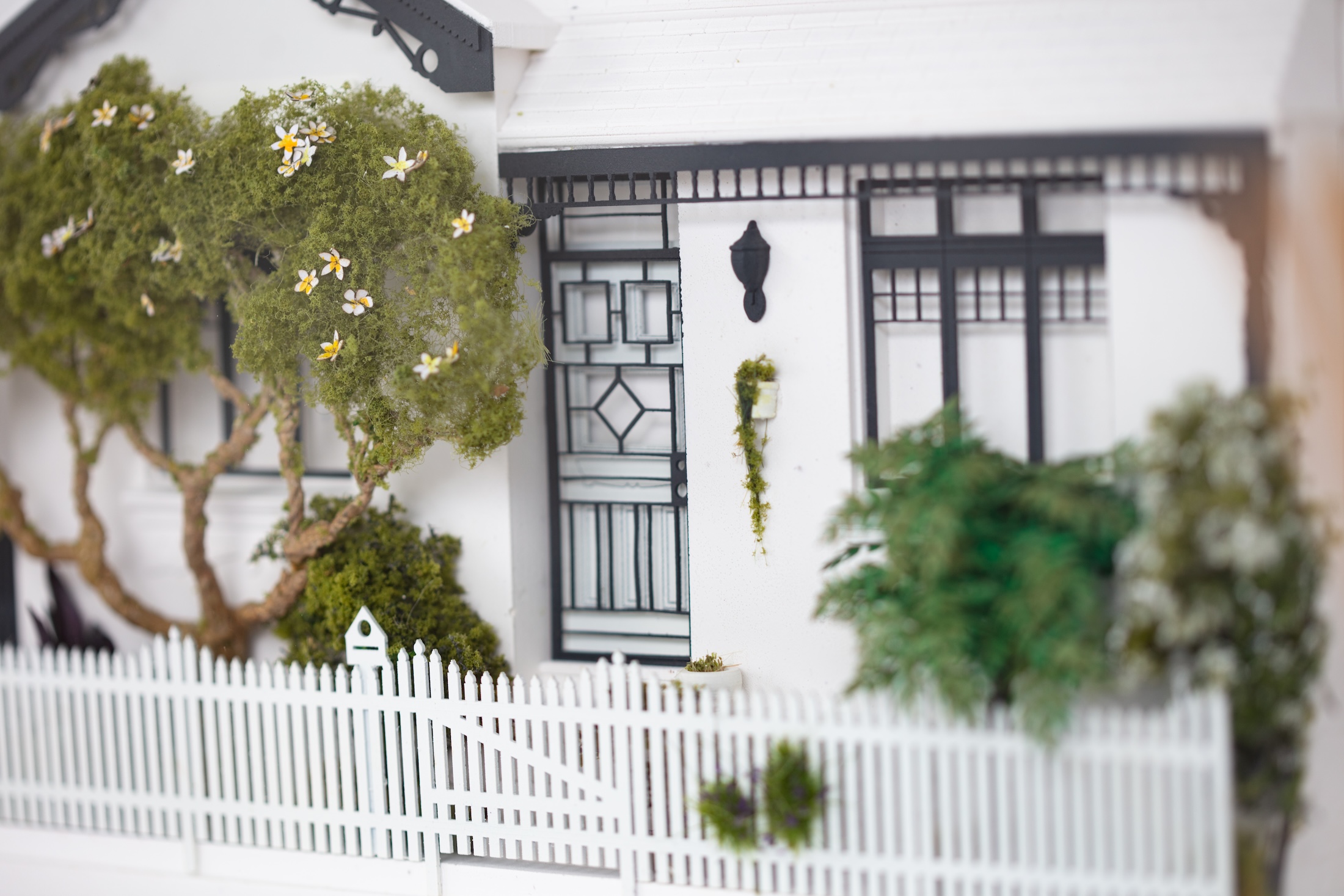
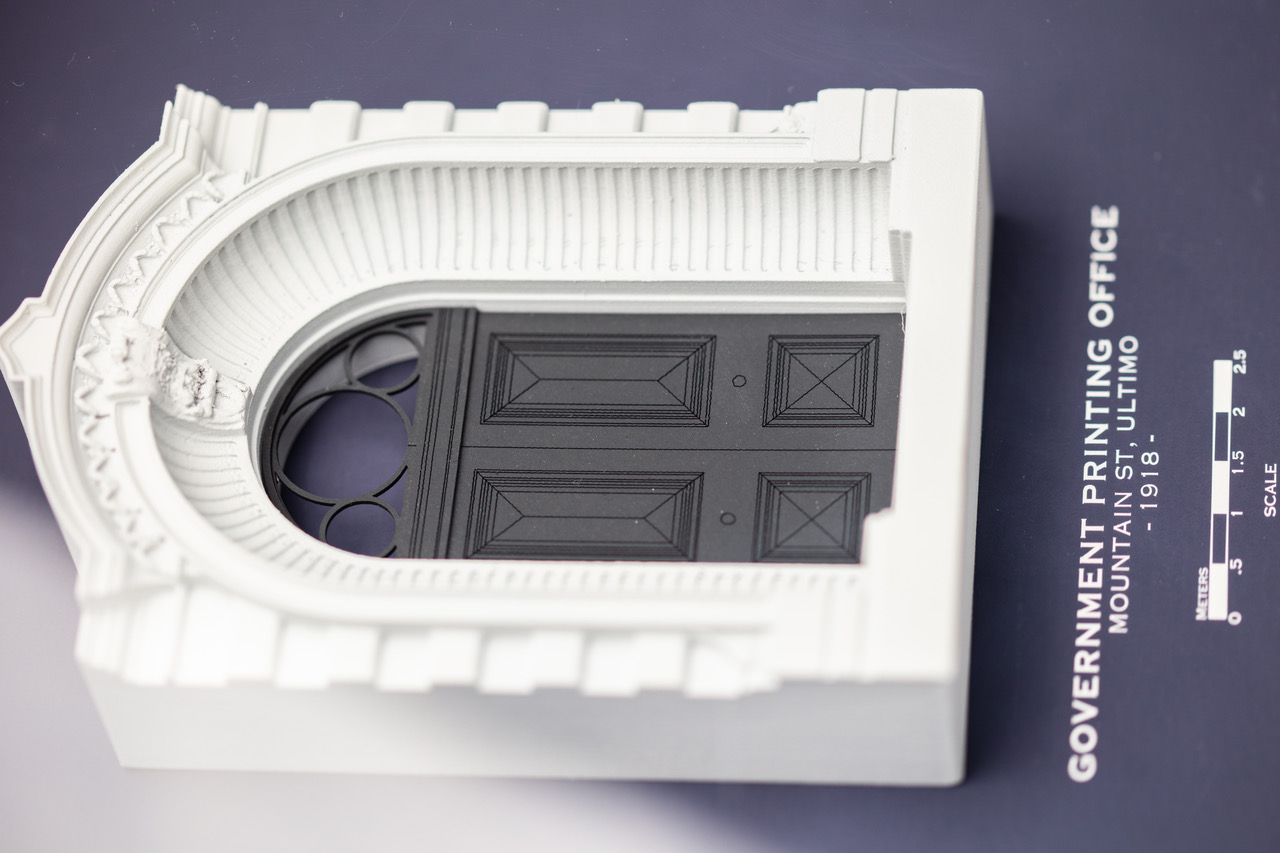
One thing that playing the trumpet professionally has taught me, especially in my formative years, is a constant diligence and focus to the task. I spent much of my time focussed on becoming a better musician through hours of practice every single day, and I try to take that same approach to the details within a model. The little details in a building that a client may have lived in are important to capture, particularly in commissioned models for clients: those little items, from the wall hanging and the front steps, to the door knob, all represent memories for those that have interacted and made decisions in renovating and adorning those buildings over many years.
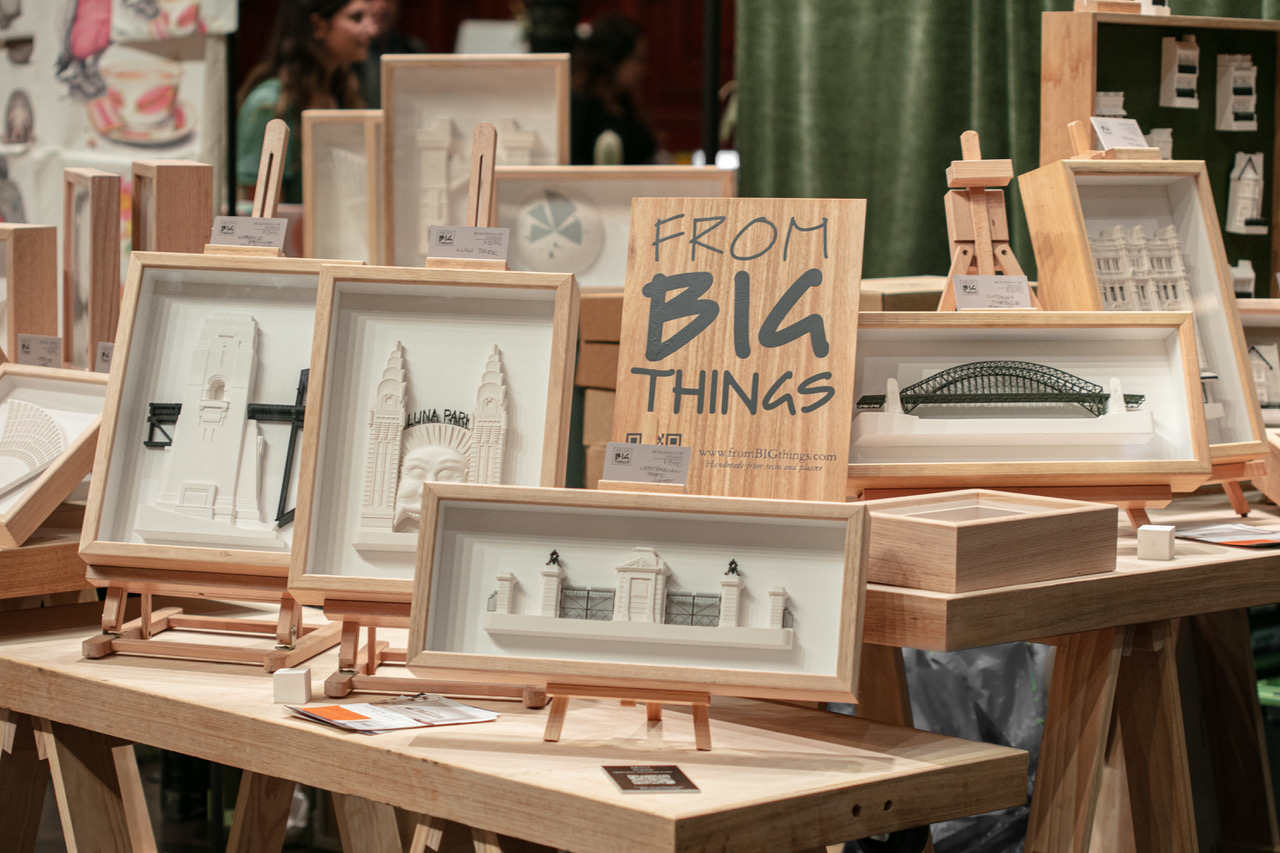
Who can commission you to create a model – do you typically produce models of residential properties, or notable landmark buildings?
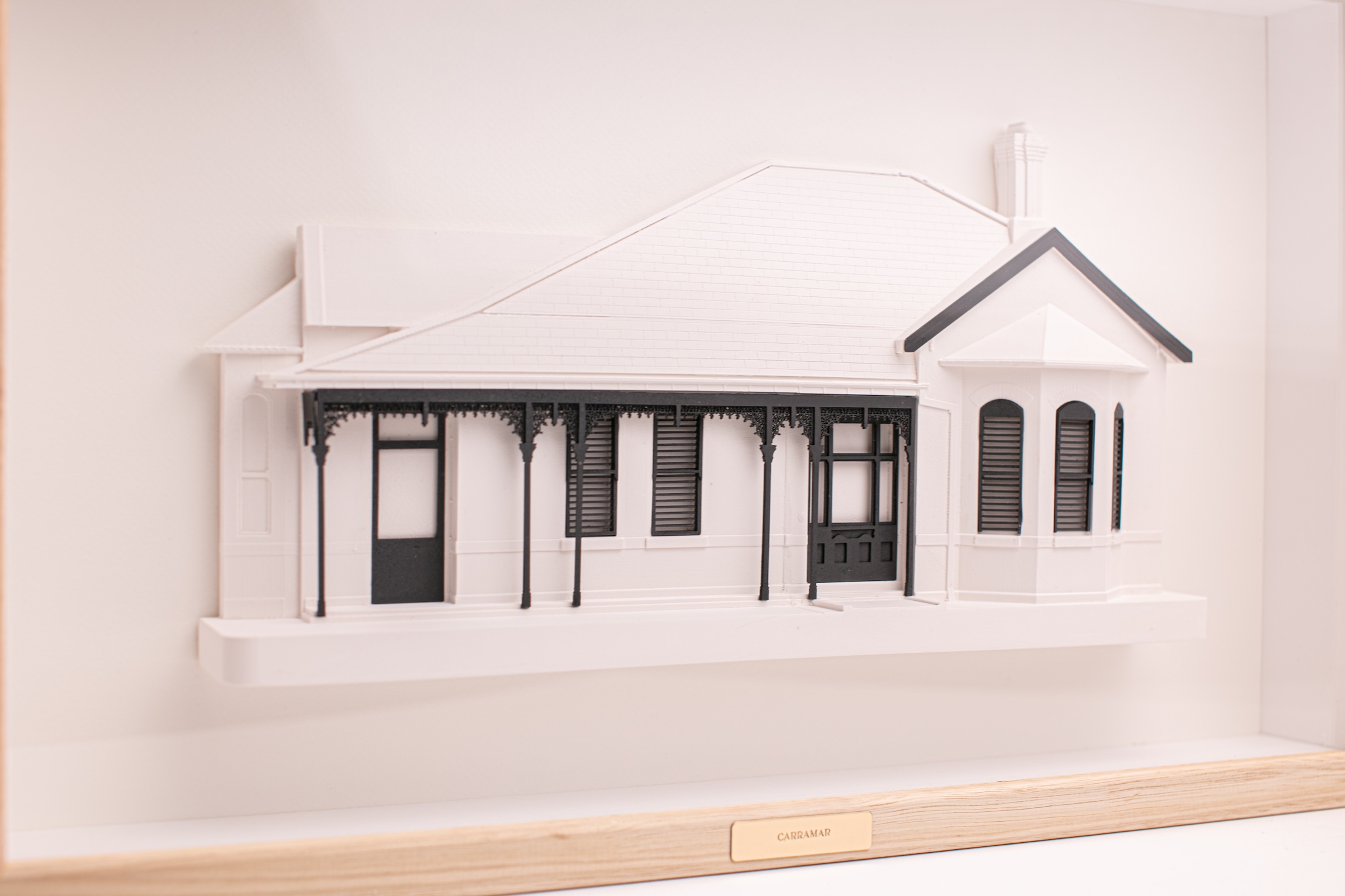
Anyone can have a model made. All I need is a photo, and I can get to work; It doesn’t even need to be a current house or building. Some of the commissions I’ve made have been for people that have moved out of a home, or were family homes that they only have photos of from when they were kids. The more details I can see, the more I can capture in the model but a lot can be done from a small amount of information.
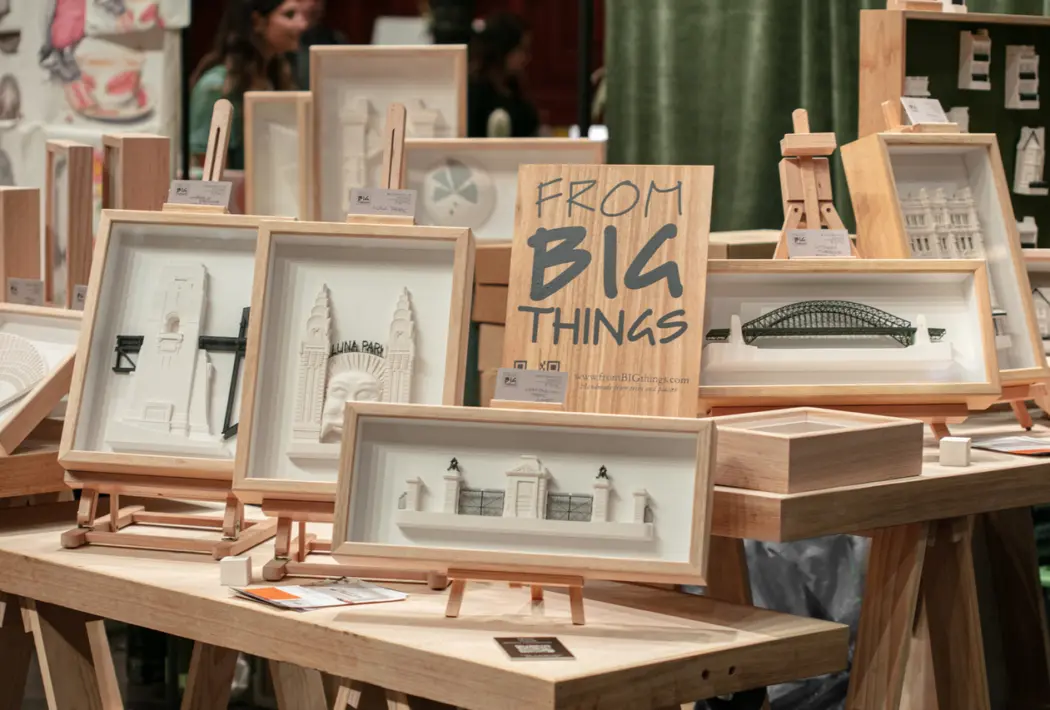
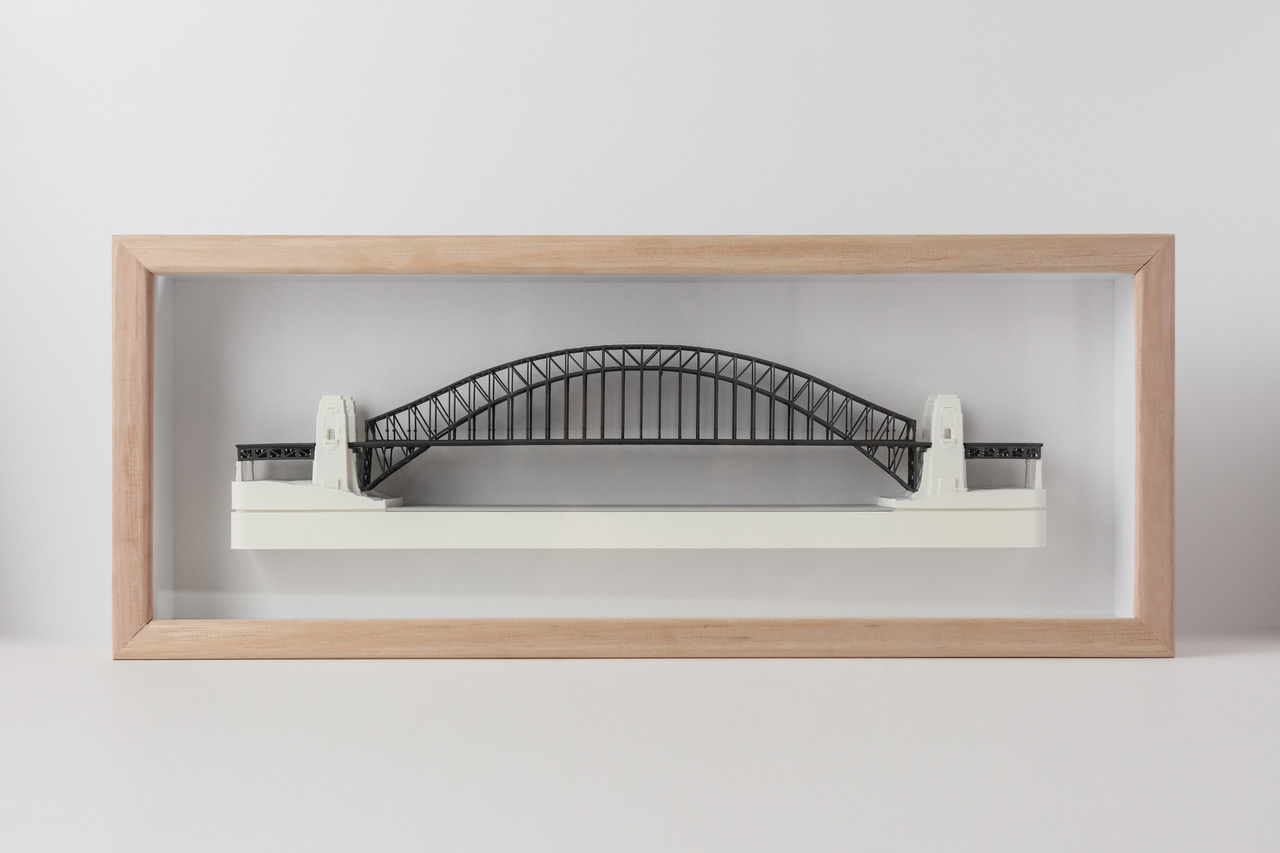
Among the commissioned pieces, I produce a standard range of models that are primarily aimed at Sydneysiders, including more well-known buildings within Sydney that often capture the hearts of a visitors. They can be found at a few stores throughout Sydney, including at the Sydney Opera House and The Sydney Harbour Bridge (BridgeClimb) which I’m incredibly proud of.
Was there a project you completed that was particularly rewarding, and why?
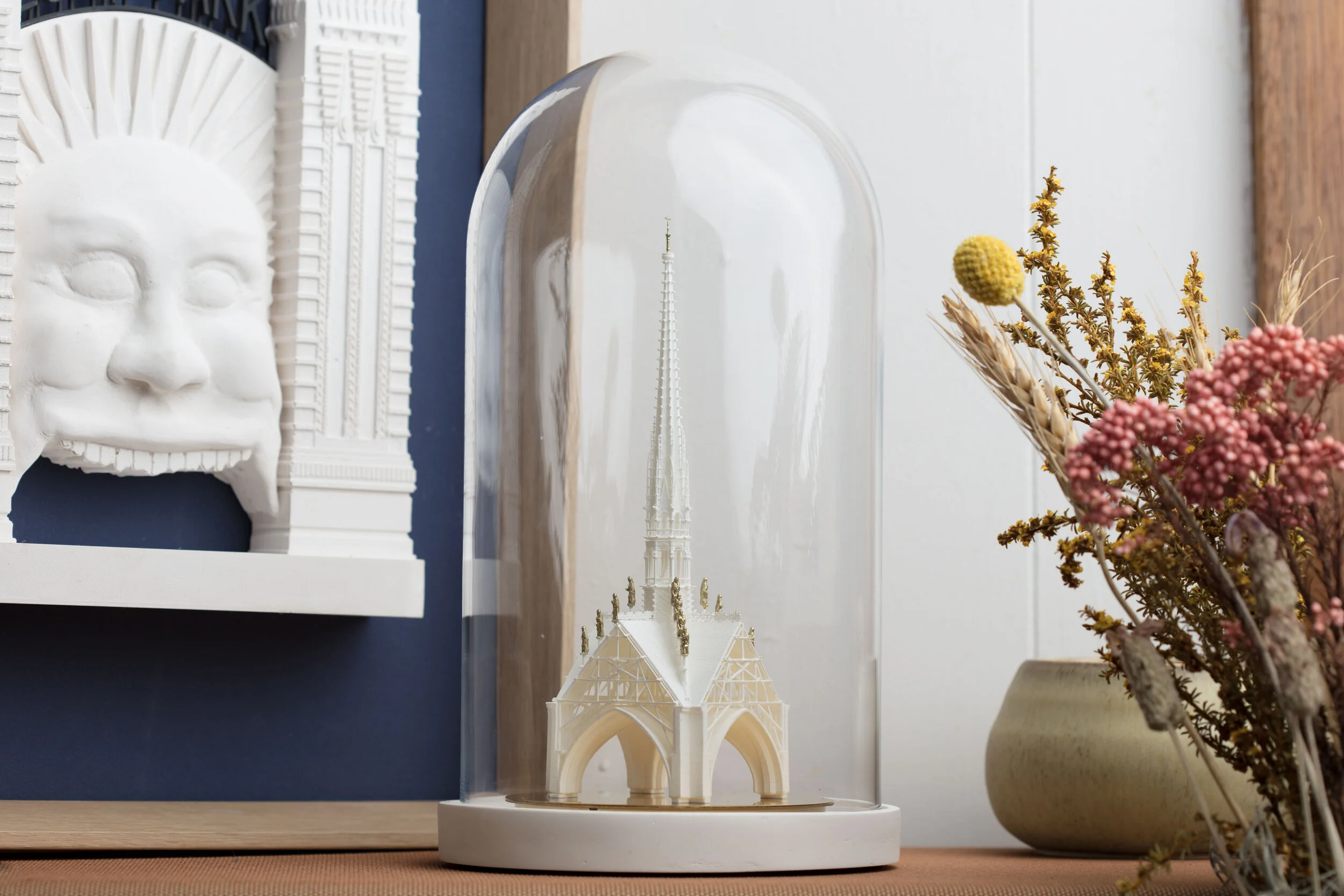
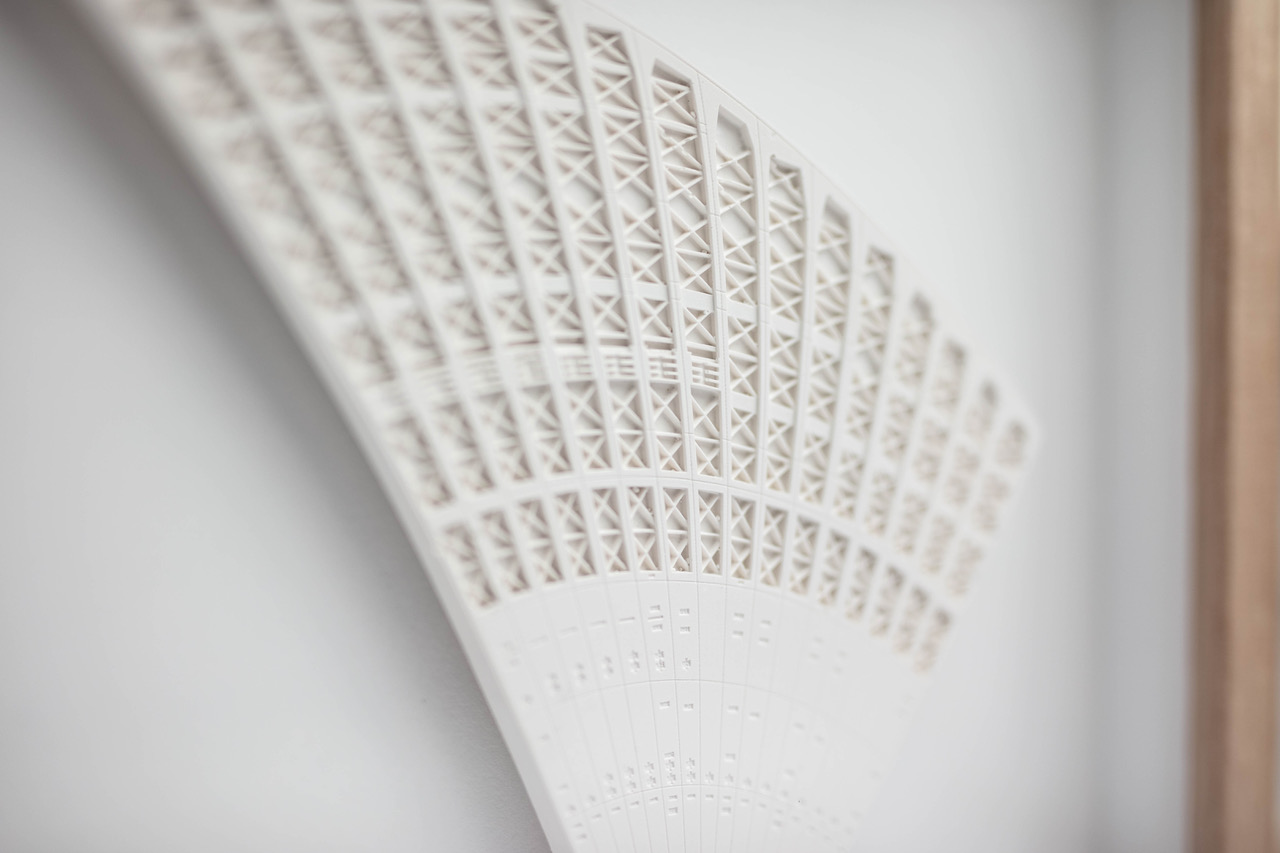
My mum lived quite close to a man who was one of the site engineers at the Sydney Opera House and they organised a model of the structure of the main sail for him. I was so happy to know that that model was for him – knowing he was so well-versed in that building and appreciated the model so much meant a great deal to me.
Do you have any favourite heritage buildings in Sydney, or Australia, and why are you drawn to them? Any preferred architectural era?
I love so many heritage buildings and I’ll never stop make models of them – but I particularly love Victorian Terraces and the subtle differences between Melbourne, Sydney and Adelaide terraces. There is such a story in so many of them, and particularly the sub-genres and variability of them is so fascinating.
Where can we see From Big Things heading in the future – do you have any buildings you’re yet to create, or projects in the pipeline?
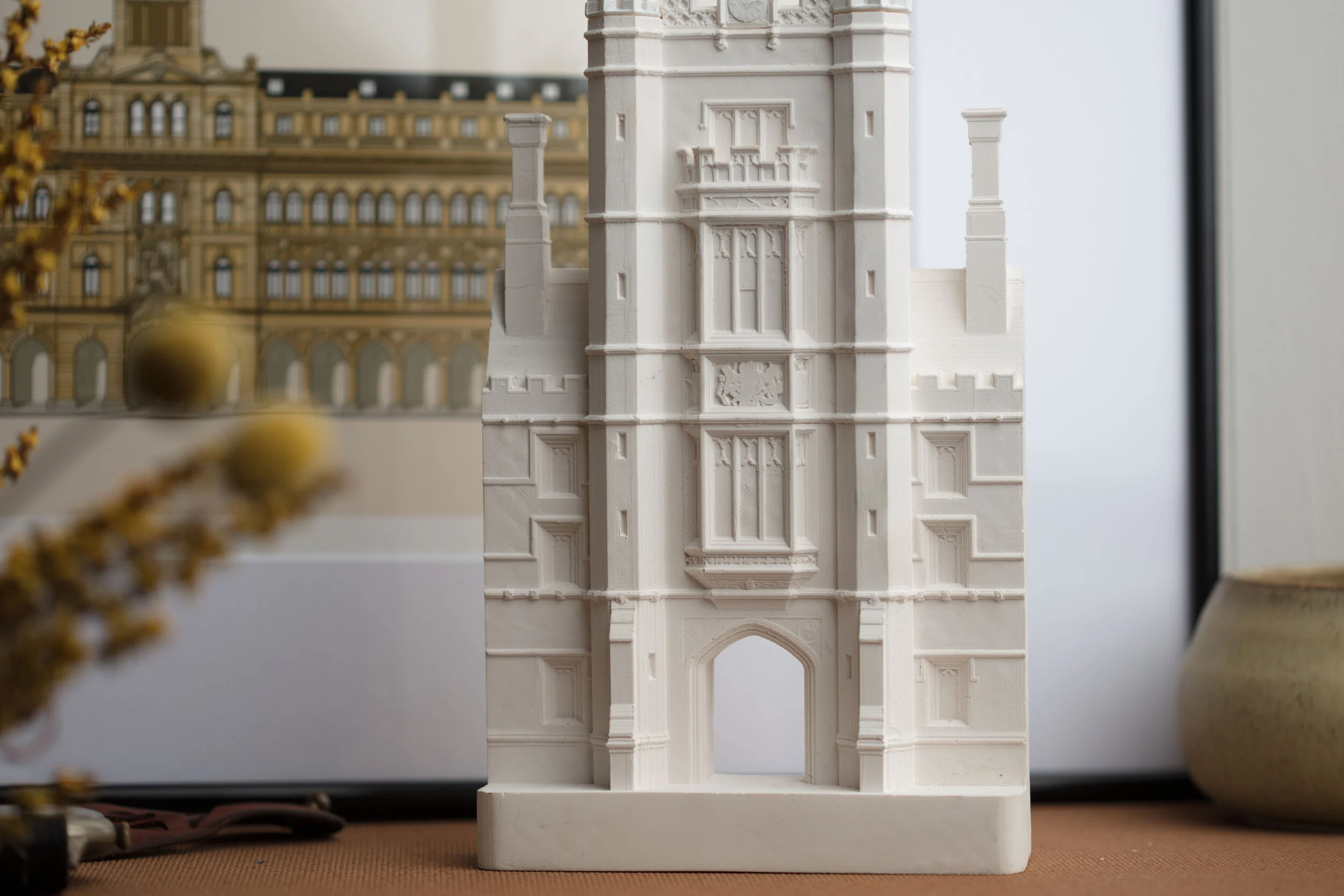
I like that FromBIGThings is based on the buildings & details I personally want create. I’ve never wanted to create typically tourist-oriented or generic objects, but rather something I’m always proud of and appeals to a narrower demographic of like-minded people interested in Australia architecture. I’m working on a new set of Newtown store fronts, the University of Sydney Quadrangle building, and number of other projects that I start and get distracted with. The list is endless, and I can’t wait to tackle more.
Thanks for chatting with us about your incredible architectural models and design process, Adrian! Visit the FromBIGThings website www.frombigthings.com and follow FromBIGThings on Instagram www.instagram.com/frombigthings
Journey with us on instagram
Our latest property listings, stay offers, and feature articles delivered straight to your inbox.